
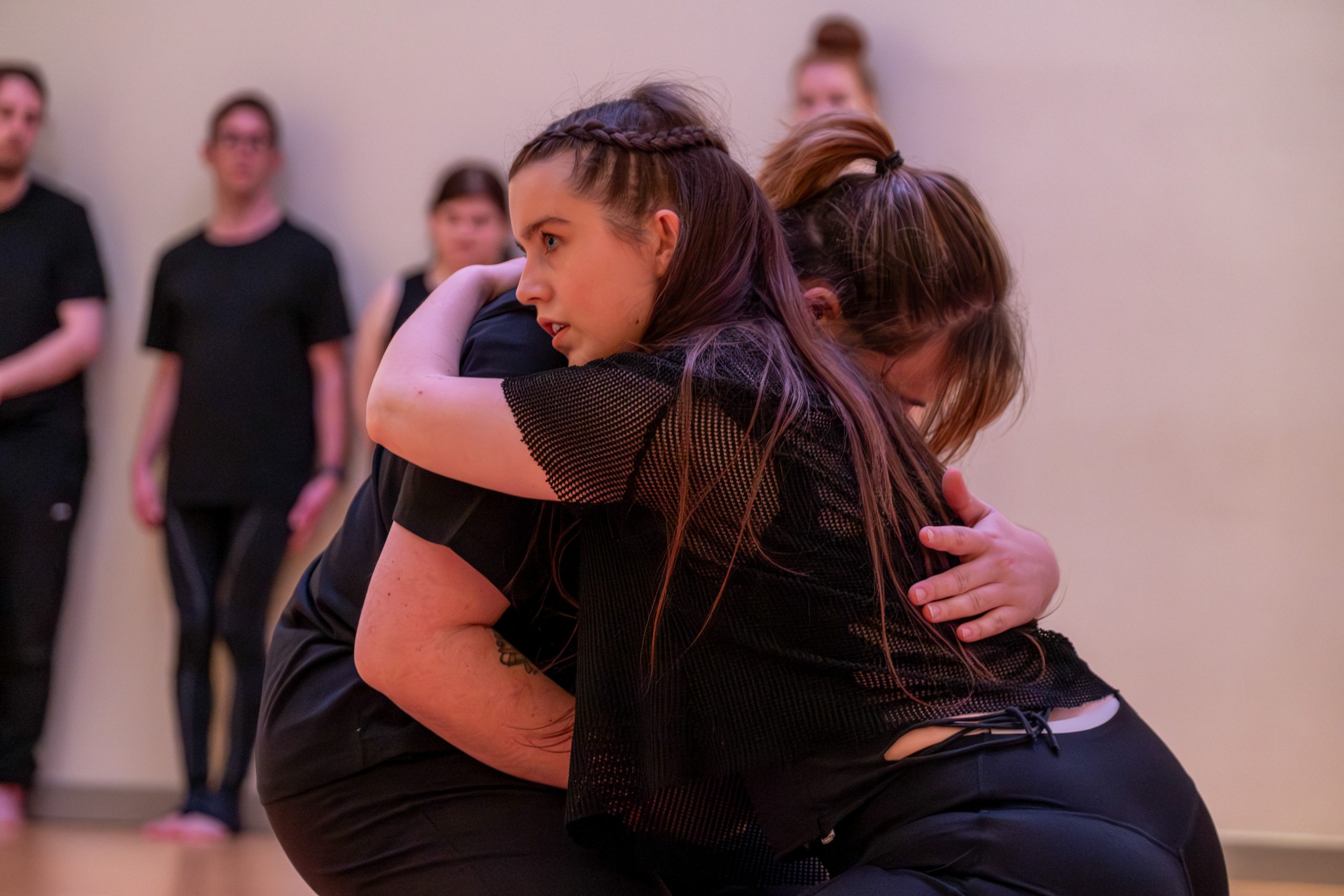
Dai Matsuoka, director of LAND FES, co-created a dance piece in the UK with members of DanceSyndrome.
■ Feature 1: Creating together across countries
Dai Matsuoka visited Preston in the UK as a choreographer.
He worked with DanceSyndrome members to create a dance piece.
When people from different cultures and dance styles come together, new expressions are created.
They share the same goal.
They want to create artistic inclusive dance work.
■ Feature 2: Facing a challenge
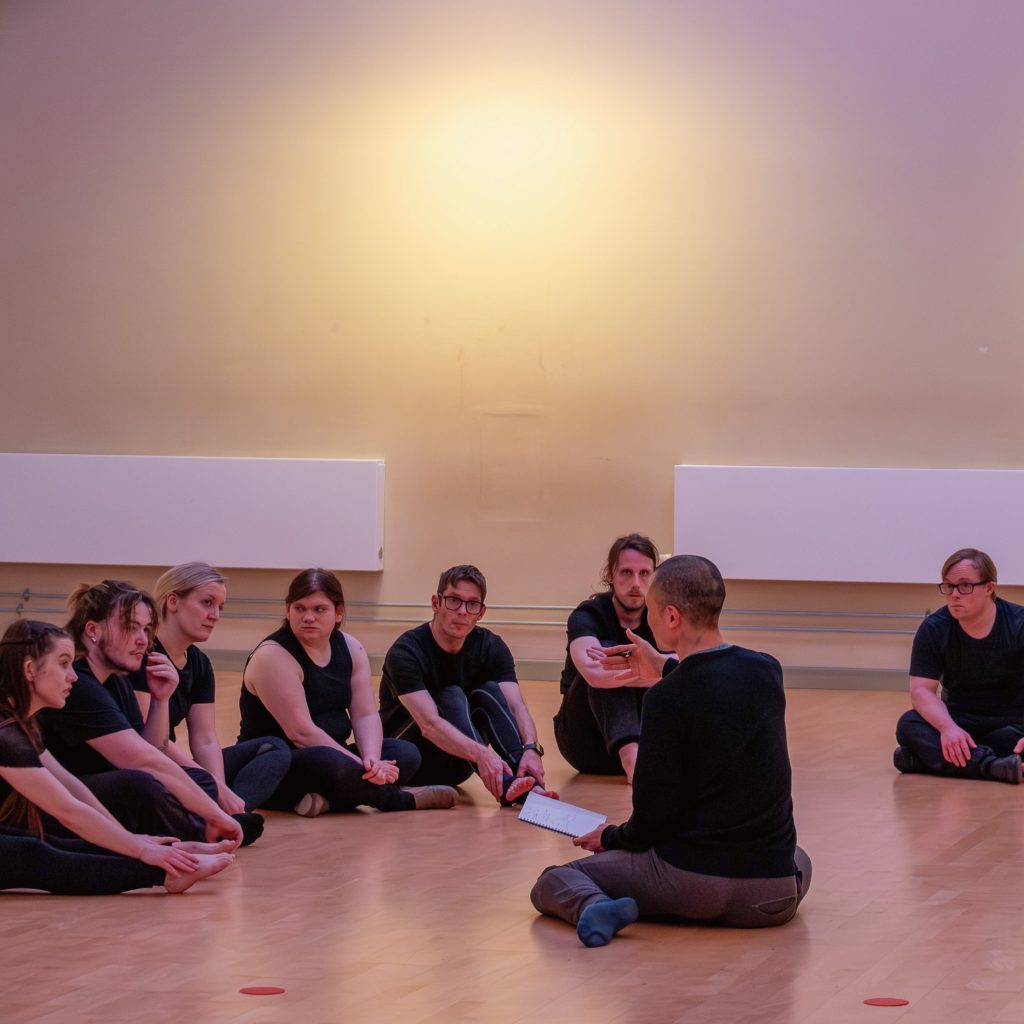
This time, the work was created in five days.
For DanceSyndrome, it was their first time inviting a choreographer from a different country.
Four dance artists supported nine dancers with disabilities.
Each person took on a new challenge to create the piece together.
■ Feature 3: Learning a professional approach
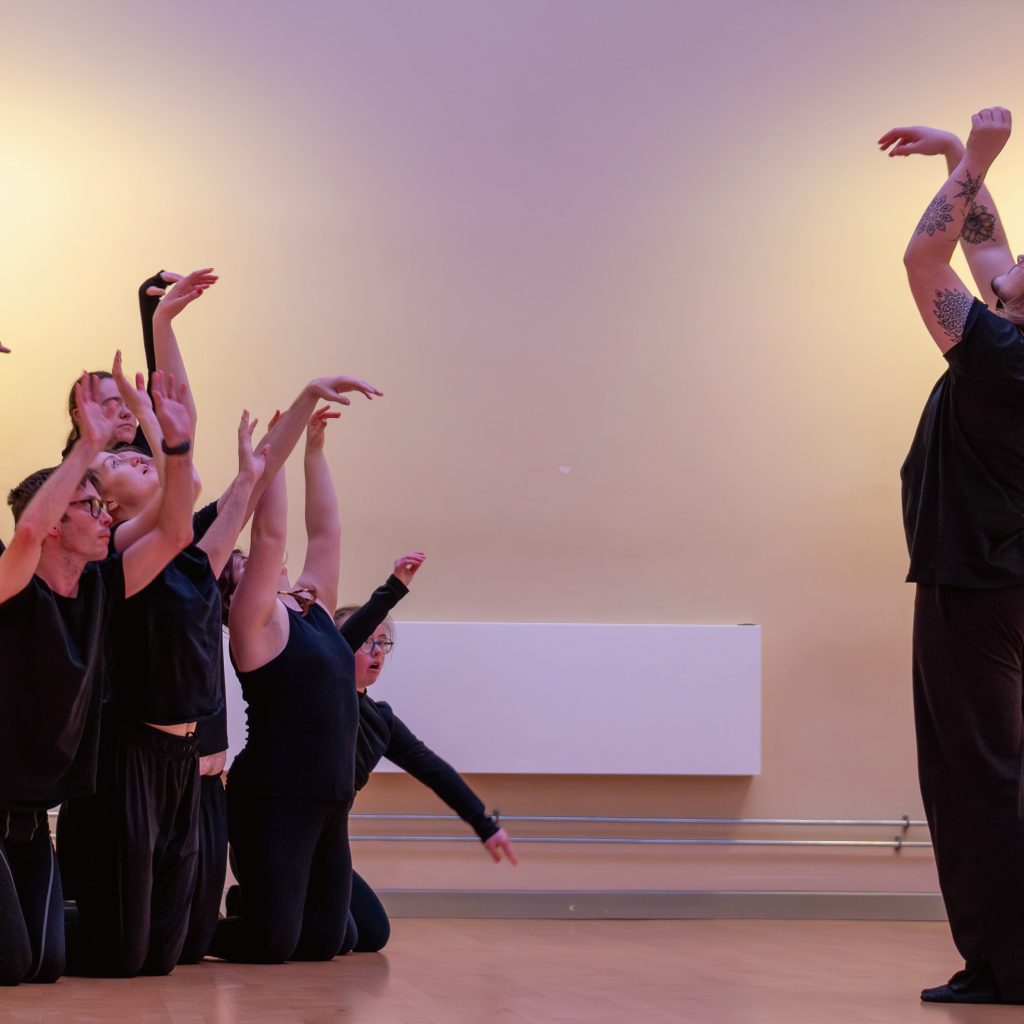
The dancers worked with strong focus to create the piece.
They learned how to work with others.
They also learned to take responsibility.
They did not only follow instructions.
They also thought for themselves.
This gave each person a chance to grow.

■ Feature 4: Continuing the work
The piece will keep developing through rehearsals.
The choreographer will stay involved online from Japan.
In November 2026, the work will be performed at The Lowry in Salford.
■ Important point 1: Know each dancer
Each dancer is different.
They move in different ways.
They understand in different ways.
They have different levels of energy.
They also communicate in different ways.
For chorepgraphers, it is especially important to understand each dancer.
It is also important to think about how to work with them.
Before the project, the choreographer received an Access Rider.

■ Important point 2: Managing time
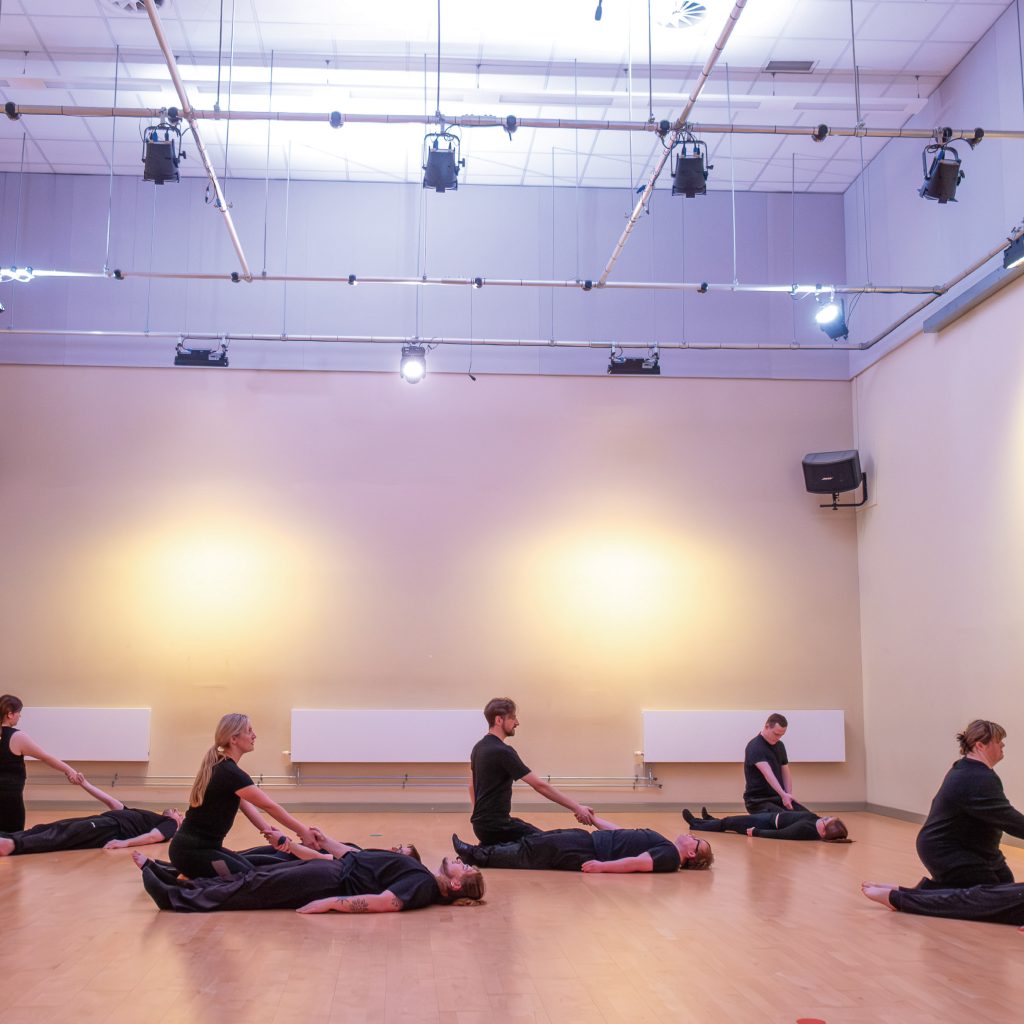
In this work, the dancers were divided into groups for each scene.
Planning the groups in advance helps manage time.
It is important to balance time for the whole group
and for each smaller group.
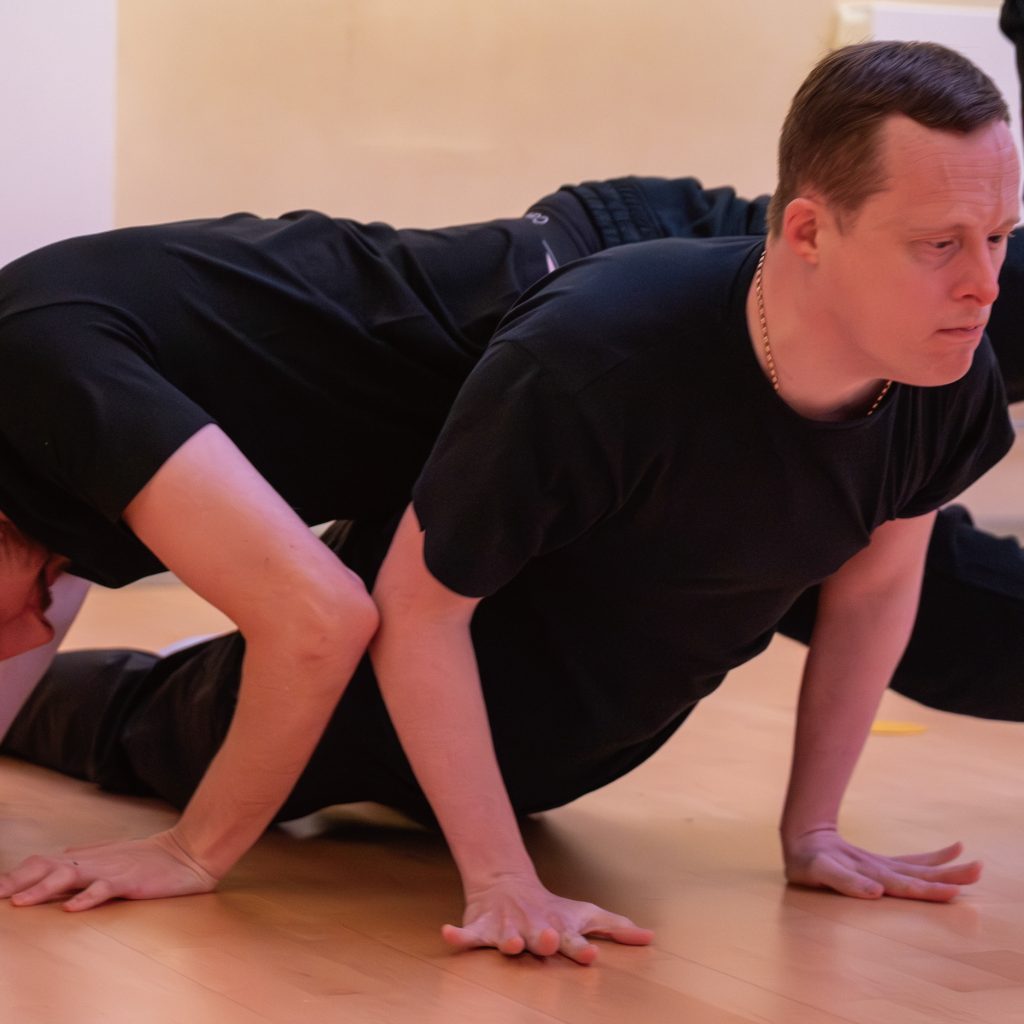
■ Important point 3: Support from Dance Artists
Support from dance artists is essential during rehearsals.
They support the creative process.
They also help guide each group.
It is important to plan the right number of supporters
for dancers with disabilities in advance.
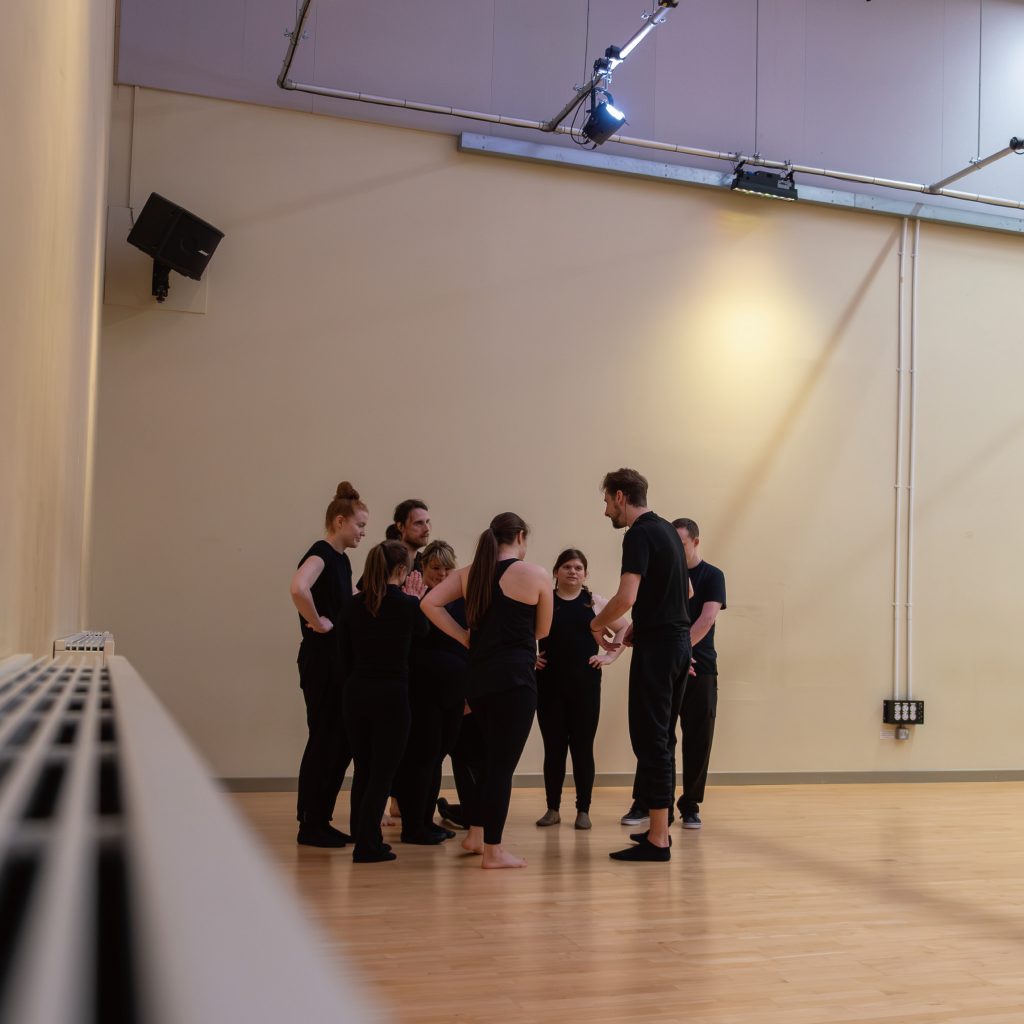
■ Important point 4: Continuing the work
Inclusive dance takes time to develop well.
It is important not to stop after one time.
It should continue.
Building relationships and trust is important.
Understanding each other helps the work grow deeper.
Time is also needed to learn and remember the choreography.

Co-Organized by: LAND FES, DanceSyndrome
Supported by: Arts Council Tokyo, The Daiwa Anglo-Japanese Foundation, Arts Council England