
Encountering distinct contours of practice in the UK
Between February and March 2026, we visited seven organizations in the UK that practice inclusive dance, conducting interviews and observing their activities.
What is presented here are practices gathered under the same term, yet each differs in its origins, support structures, and sense of time.
They are not only places where artistic works are created, but also ongoing bases of activity, pathways for development, and spaces where relationships with families and local communities—as well as organizational transformation—can emerge.
To begin, we will look at the distinct contours of each one.
■ Overview of the 7 Organizations
AMICI Dance Theatre Company
Founded in 1980, AMICI is one of the pioneering inclusive dance theatres in the UK.
As a resident company based at Lyric Hammersmith Theatre, it has sustained its practice over many years with production support from Turtle Key Arts.
In the interview, questions of transition were raised following the death of founder Wolfgang Stange—what should be preserved, and what should be renewed moving forward.

BLINK Dance Theatre
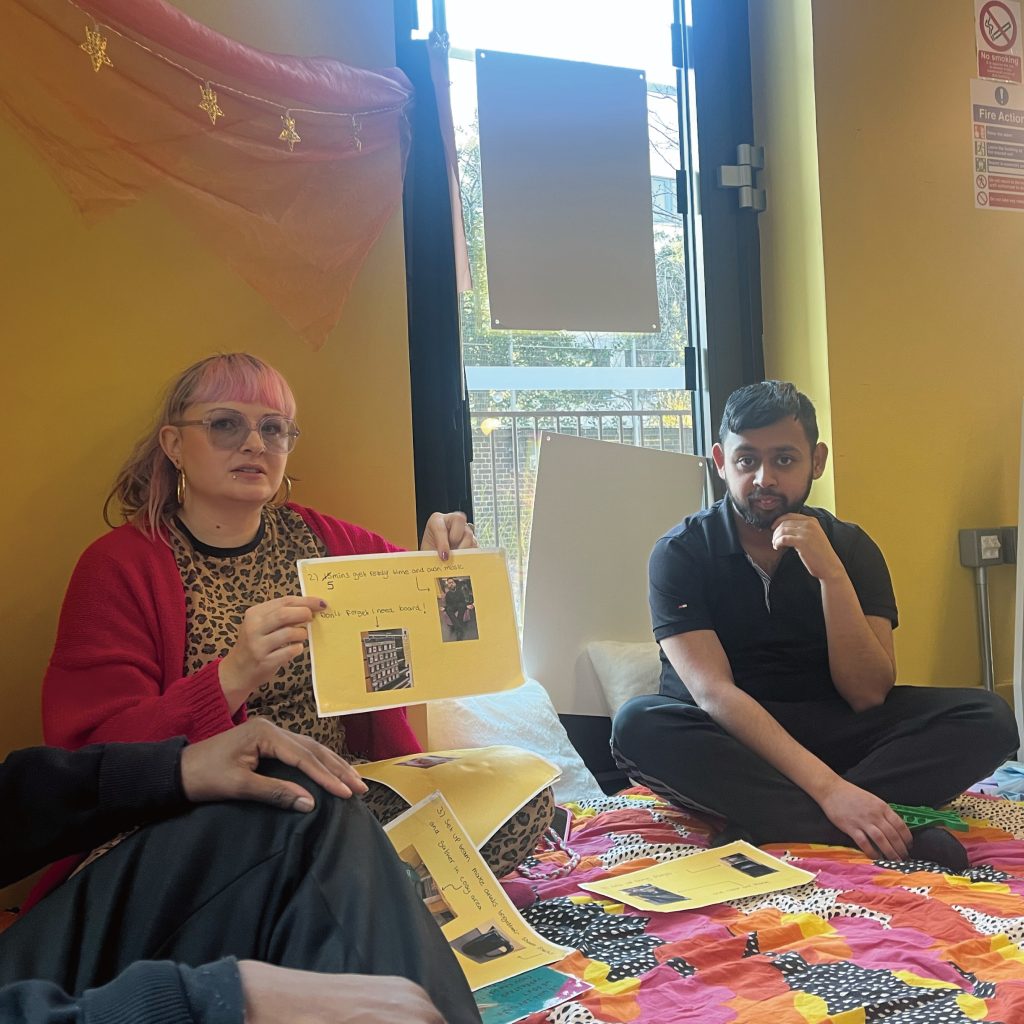
BLINK is an organization that has established its own space, cultivating it as a kind of home base where people can return each week.
Meetings, meals, everyday interactions, and creative practice are not separated, but remain deeply interconnected. Accessibility is embedded not only in the process of making work, but also in the ways of working and gathering themselves.
From the interview, it becomes clear that even before creation begins, careful thought is given to how people enter and engage with the space itself.
Stopgap Dance Company
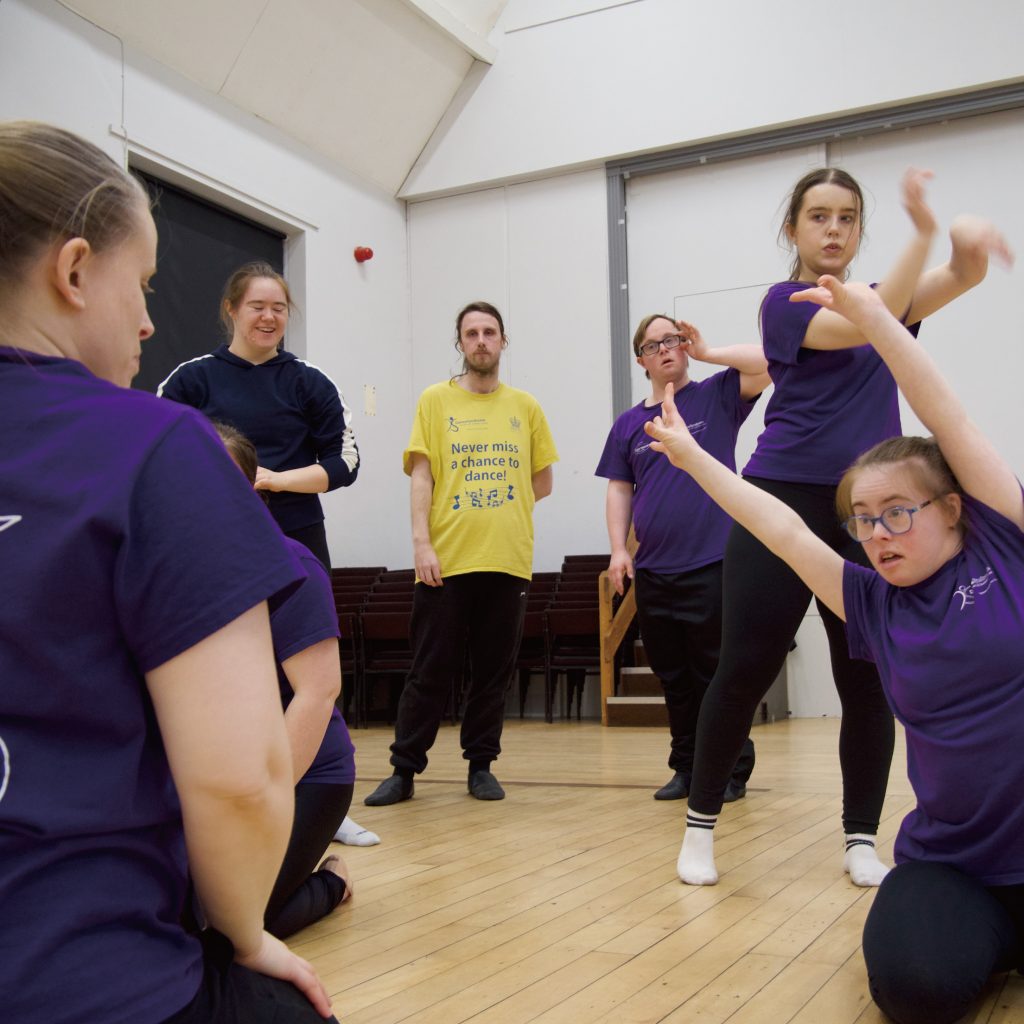
Stopgap is an organization that has cultivated its own physical vocabulary and company culture, grounded in long-term employment and ongoing company classes.
Beyond creating performances, it has built systems for sustaining and passing on inclusive practice over time, including pathways for nurturing young people and implementing accessibility.
The interview reveals how this culture is maintained through both daily creative practice and the ongoing operations of the organization.

DanceSyndrome
DanceSyndrome is an organization that connects community dance, artist development, dance leader training, and creative projects through a foundation of ongoing weekly programs.
Getting to know each individual, and nurturing relationships that include families and support networks, forms the basis of its entire practice.
The interview reveals how roles and pathways beyond participation are carefully cultivated over time.
icandance
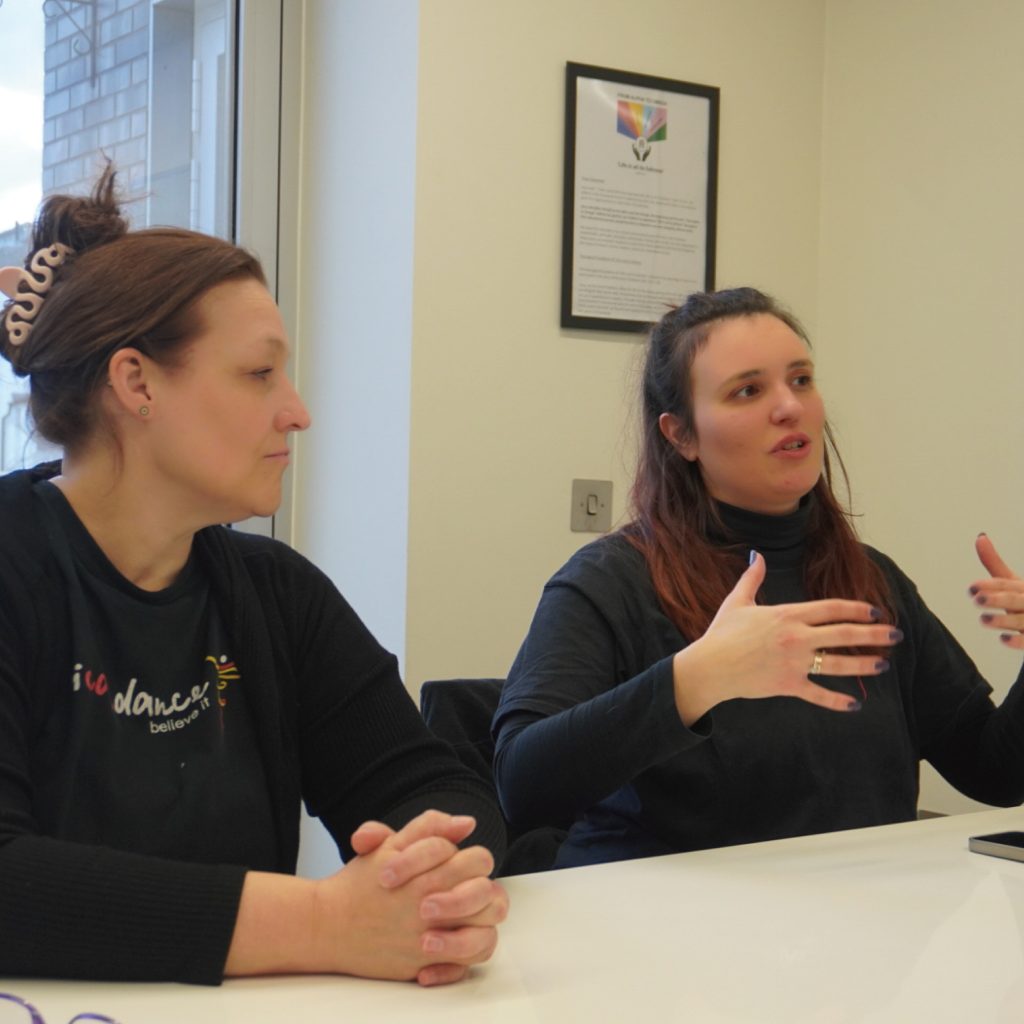
icandance is a community grounded in the principles of Dance/Movement Psychotherapy, continuing a practice that begins with one-to-one relationships.
It creates spaces where children and young people can first connect with themselves, build relationships with others, and gradually open themselves to a wider community.
The interview highlights ideas around emotional safety, relationships with families, and viewing performance as a space for celebration.
Magpie Dance
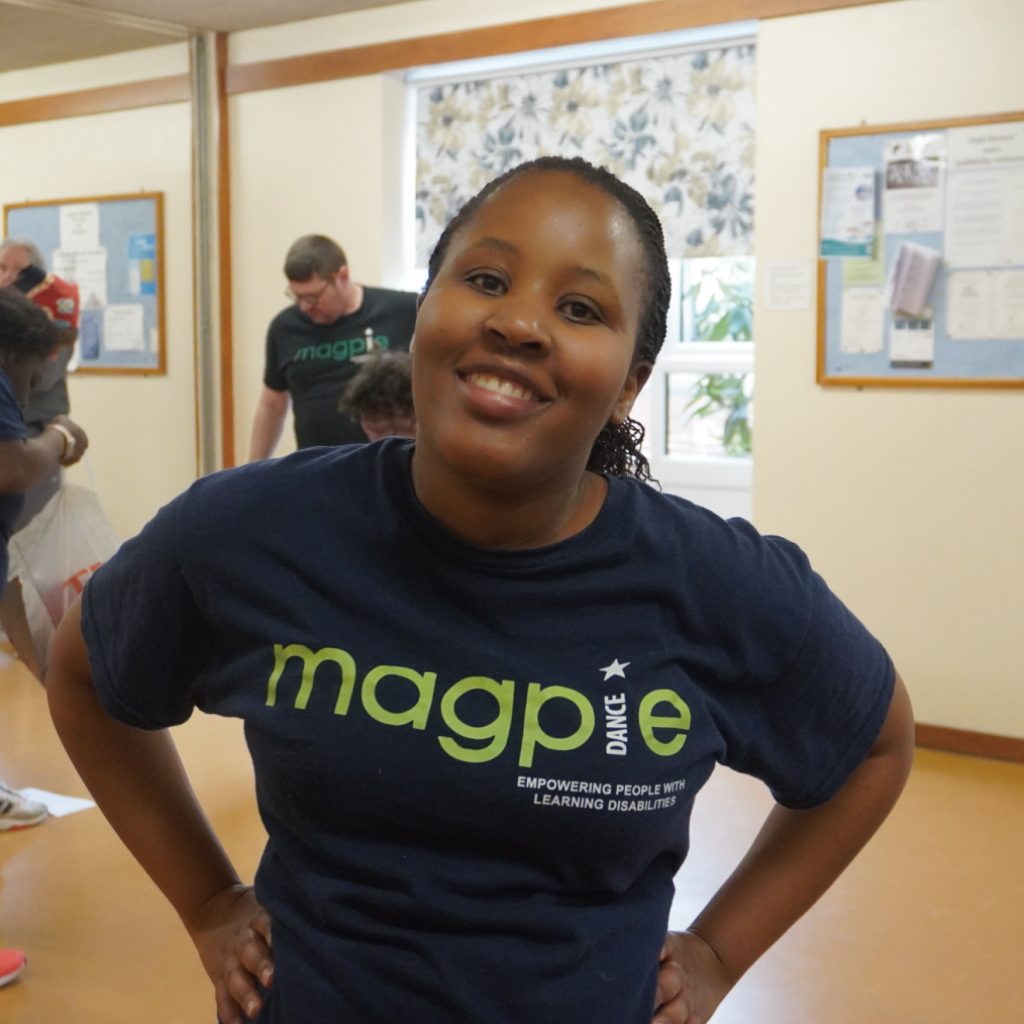
Magpie Dance is an organization that transforms the dancers’ own voices and lived experiences into works that can resonate with society.
A defining feature of its practice is the process of shaping experiences that are often difficult to express into artistic work through research, dialogue, improvisation, and choreography.
The interview reveals how artistic expression and the practices of safeguarding safety and dignity are not separate, but mutually sustaining.
Candoco Dance Company
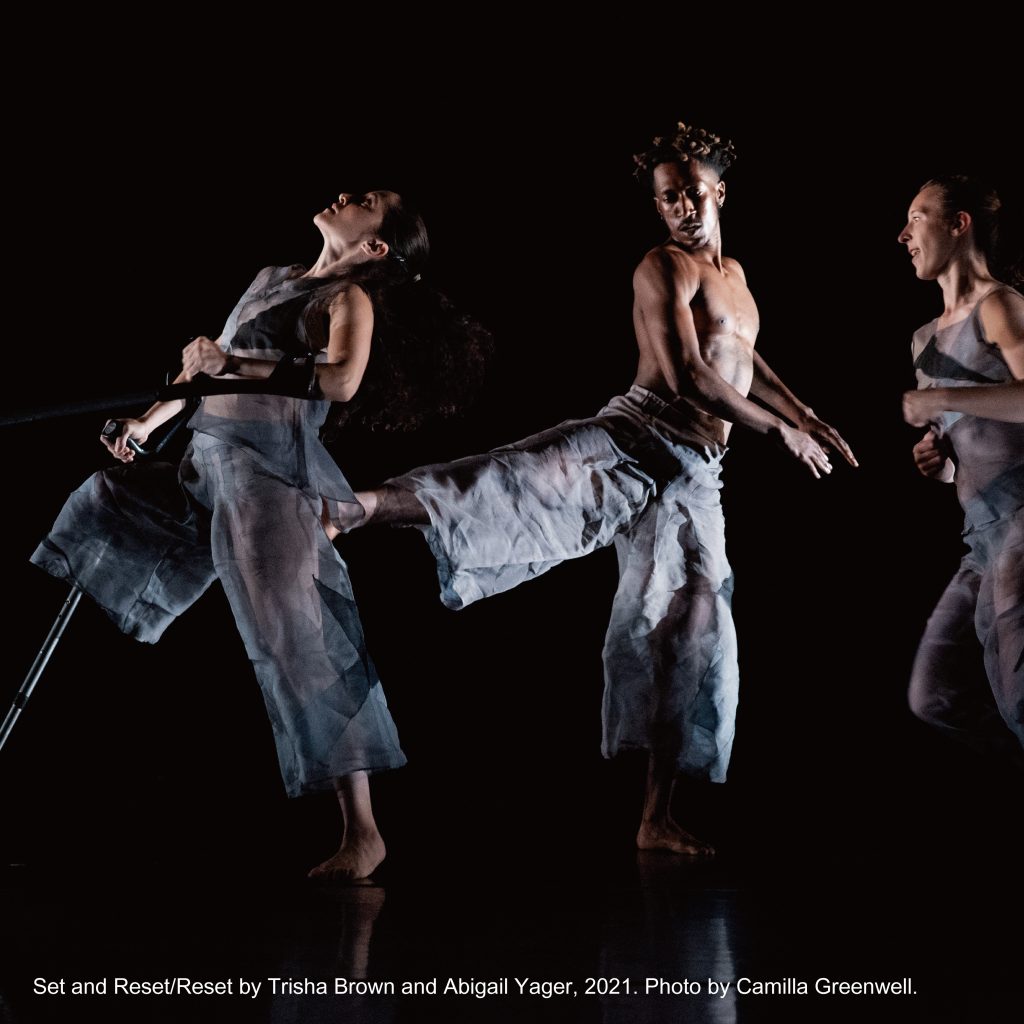
An inclusive dance company with a 35-year history, now actively re-examining its own role and purpose.
While holding onto its founding belief that difference can reshape the aesthetics of dance, it is moving toward organizational restructuring—embracing more distributed decision-making and building systems that support disabled choreographers and leaders.
The interview explores what a long-established company is seeking to preserve, and what it is attempting to reconfigure for the next generation.
■ Where to begin?
These pages are not verbatim transcripts. Rather, they are reconstructed texts based on interviews and observations, designed to illuminate the structures, practices, and key questions that emerged from each organization.
You are welcome to begin with whichever organization interests you most, or move freely between multiple pages as you read and explore.
▶︎For those interested in methods of artistic creation
Stopgap Dance Company / AMICI Dance Theatre Company / Candoco Dance Company
▶︎For those interested in designing spaces and communication
BLINK Dance Theatre / icandance