
DanceSyndrome from the UK came to Japan.
They led a “Dance Leader Training Program.”
People with and without disabilities learned together.
They learned how to create and lead workshops as a team (co-delivery).
■ Purpose
- People with and without disabilities learn how to create workshops together.
- They learn step by step how to lead a dance workshop.
- The program supports people in Japan to become leaders in inclusive dance.
■ Feature 1: Co-delivery (working together)
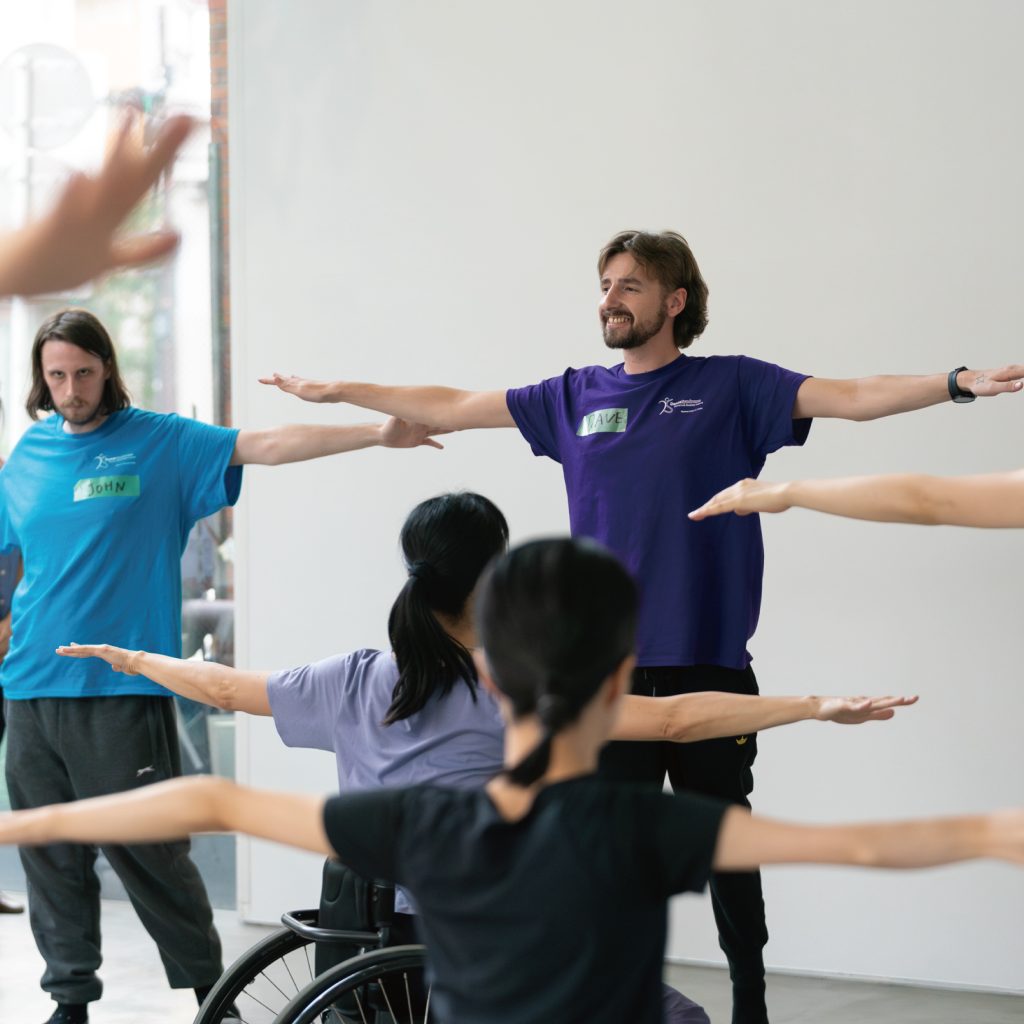
A key feature of this program is “co-delivery.”
Dance leaders with disabilities and supporting dance artists work together.
They understand each other’s strengths and take on different roles.
They work together as co-facilitators.
Together, they design and lead the workshop.
■ Feature 2: How to structure a workshop
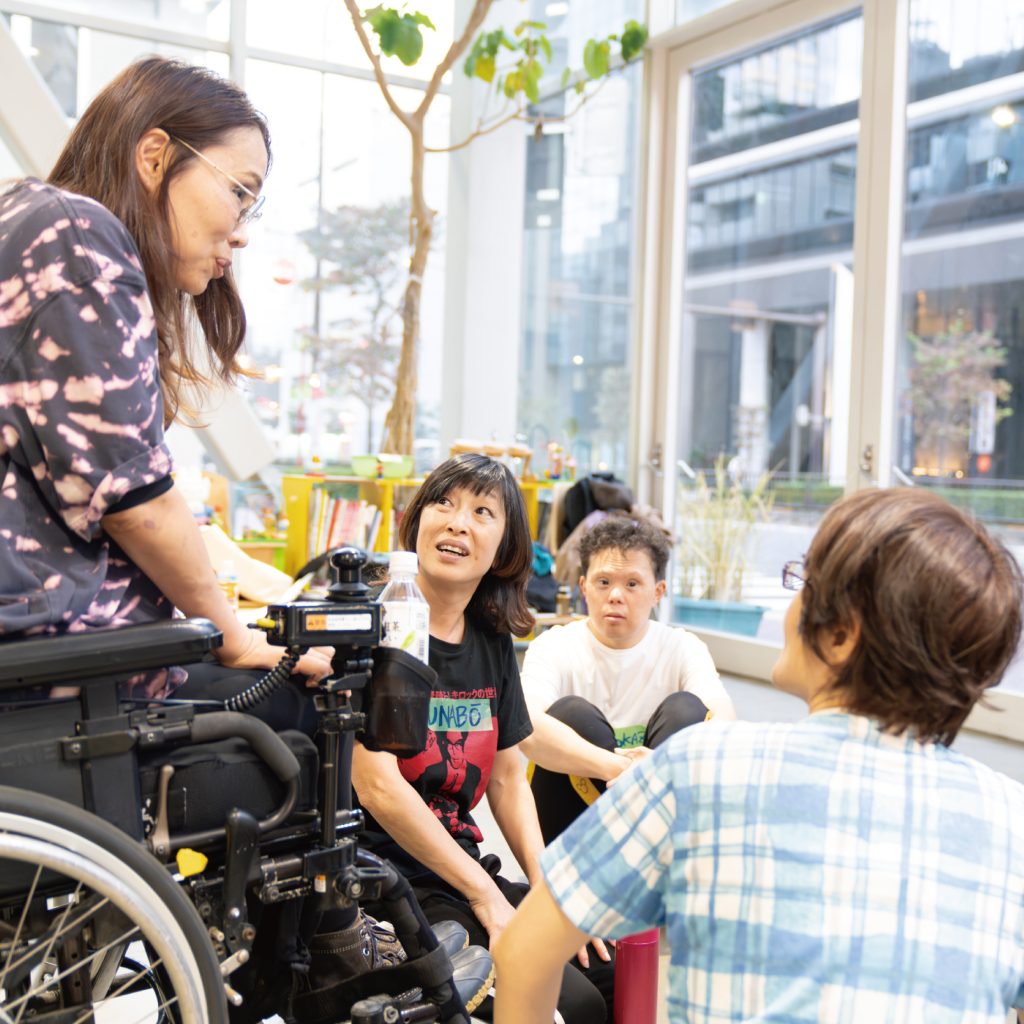
A workshop is divided into several parts.
Each part has a role and a purpose.
Participants learn how to build a workshop step by step.
This structure is like a map.
It helps facilitators lead the session with confidence.
■ Feature 3: Creating a safe and comfortable space
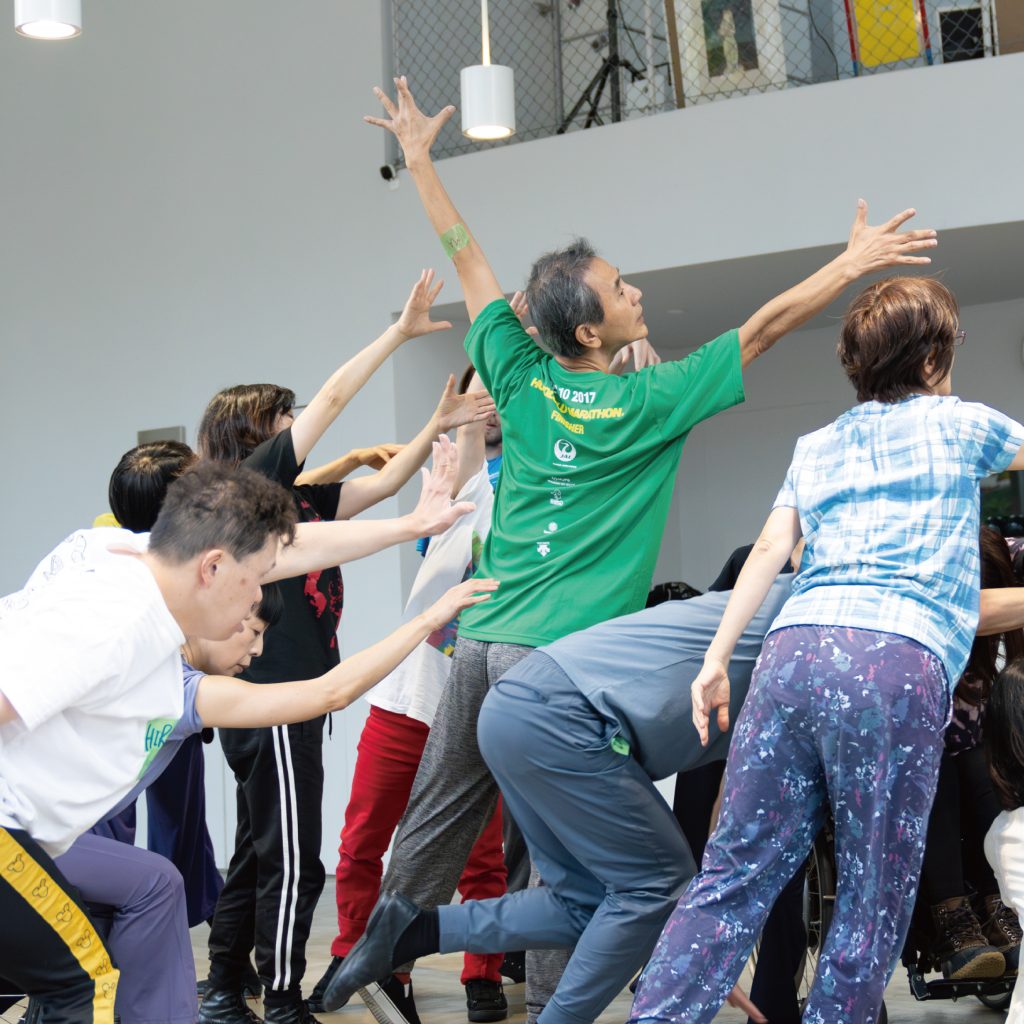
Workshops aim to be safe and welcoming for everyone.
Facilitators listen carefully to each person.
They also notice small signs, such as facial expressions and body movement.
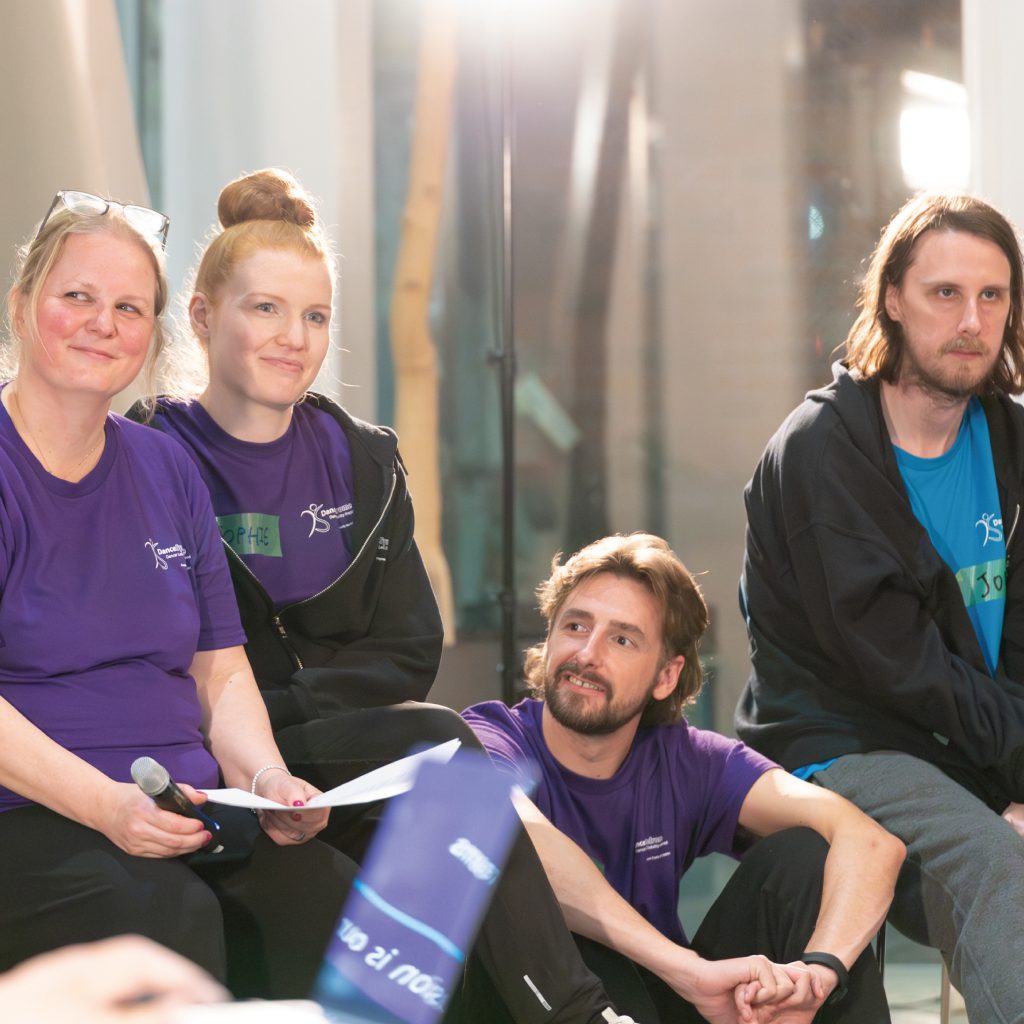
At the start, the group checks “safe touch.”
This means agreeing on which parts of the body are okay to touch during the dance.
■ Feature 4: Valuing relationships
Workshops value the relationships that grow between people.
The group size changes step by step.
For example, from pairs, to small groups of 3–4 people, and then to the whole group.
As the group changes, relationships also change.
The workshop is not only about movement.
There is also time to sit in a circle and share ideas together.
■ Feature 5: Using inclusive language
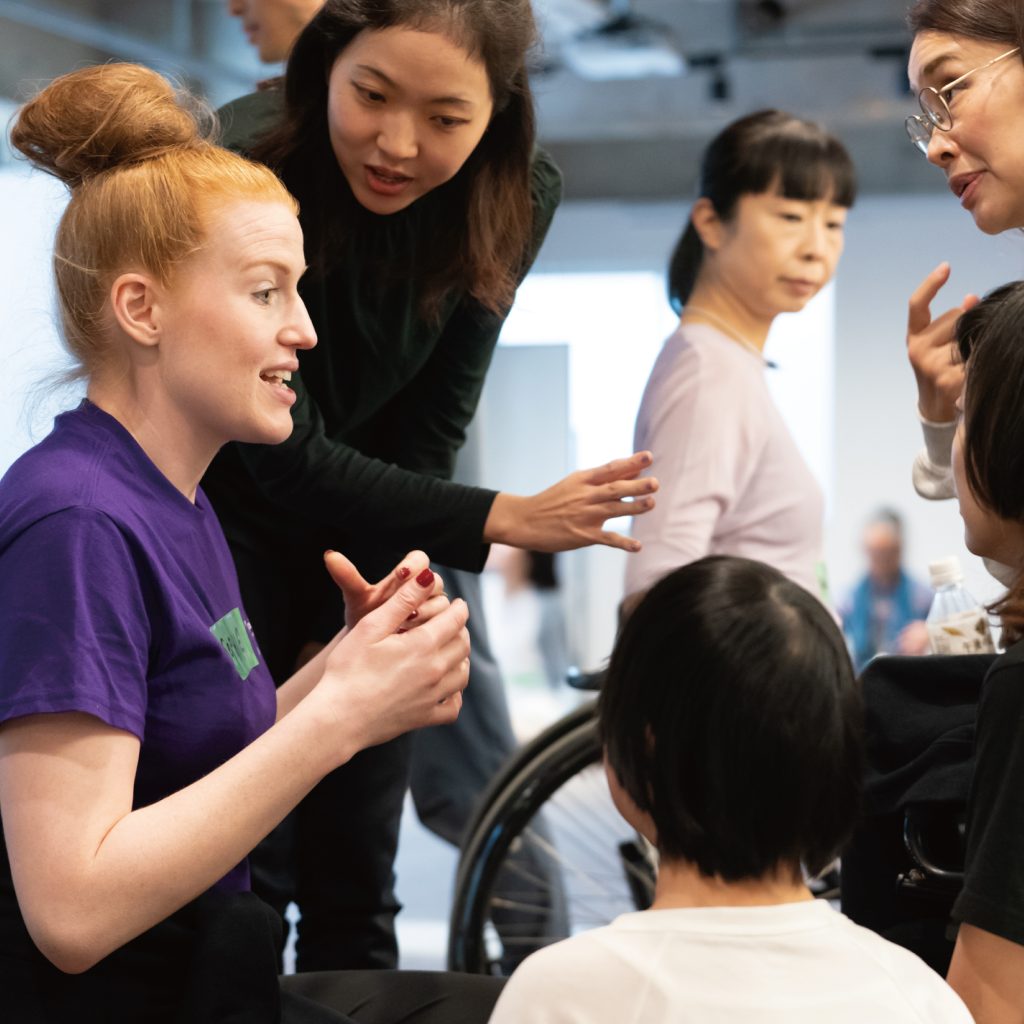
The way we use words is also very important.
For example, words like “walk” or “jump” may not work for everyone.
Simple and open words help everyone imagine.
Demonstrating movements also helps.
These can inspire many different expressions from participants.
“Let’s move like a bird…”
“Imagine a spiral turning around…”
“A ball in your hand becomes heavy…”
■ Feature 6: Easy-to-understand materials
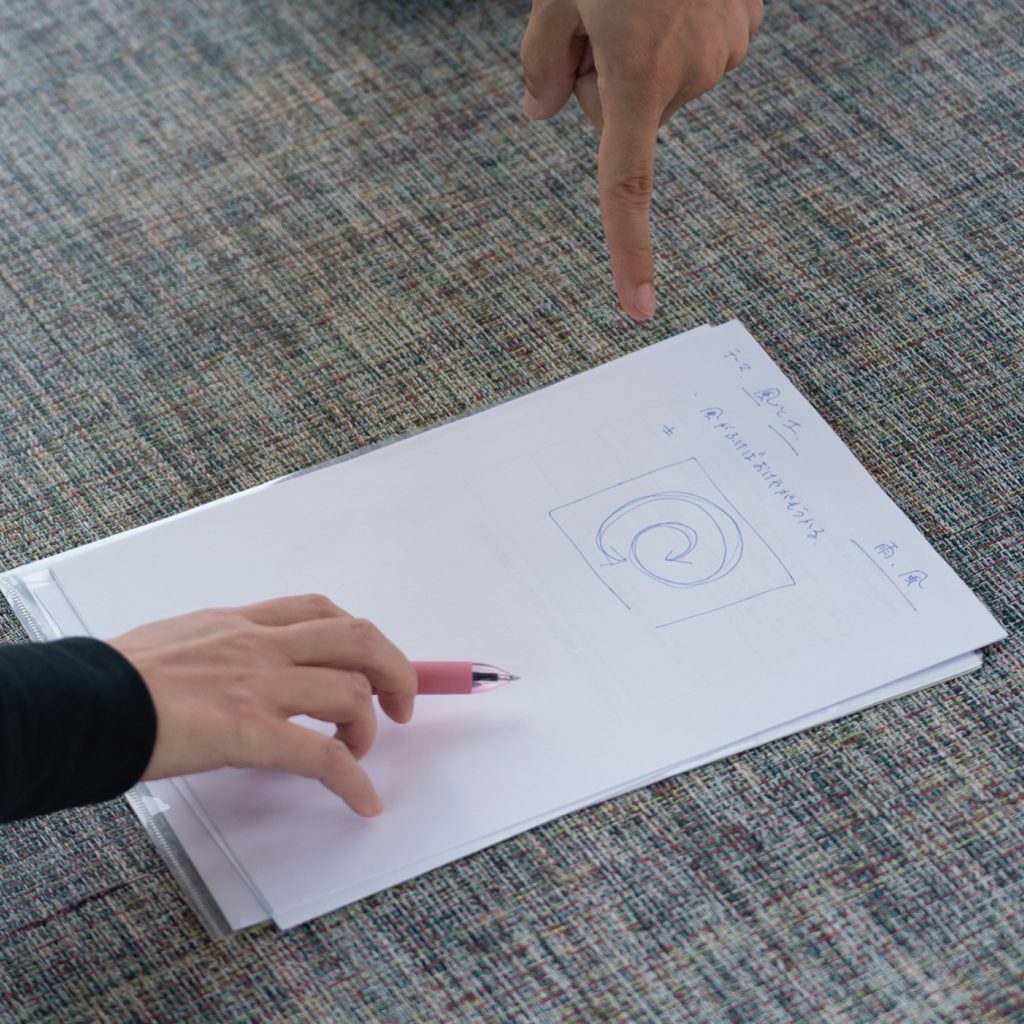
Participants receive clear and simple materials.
The materials use easy words and images.
They give ideas for different movements.
Even without complex explanations,
participants can create new ideas.

Presented by LAND FES
Funded by: Arts Council Tokyo, The Kissport Foundation
Supported by: British Council, Japan Down Syndrome Society
Photography: Masabumi Kimura