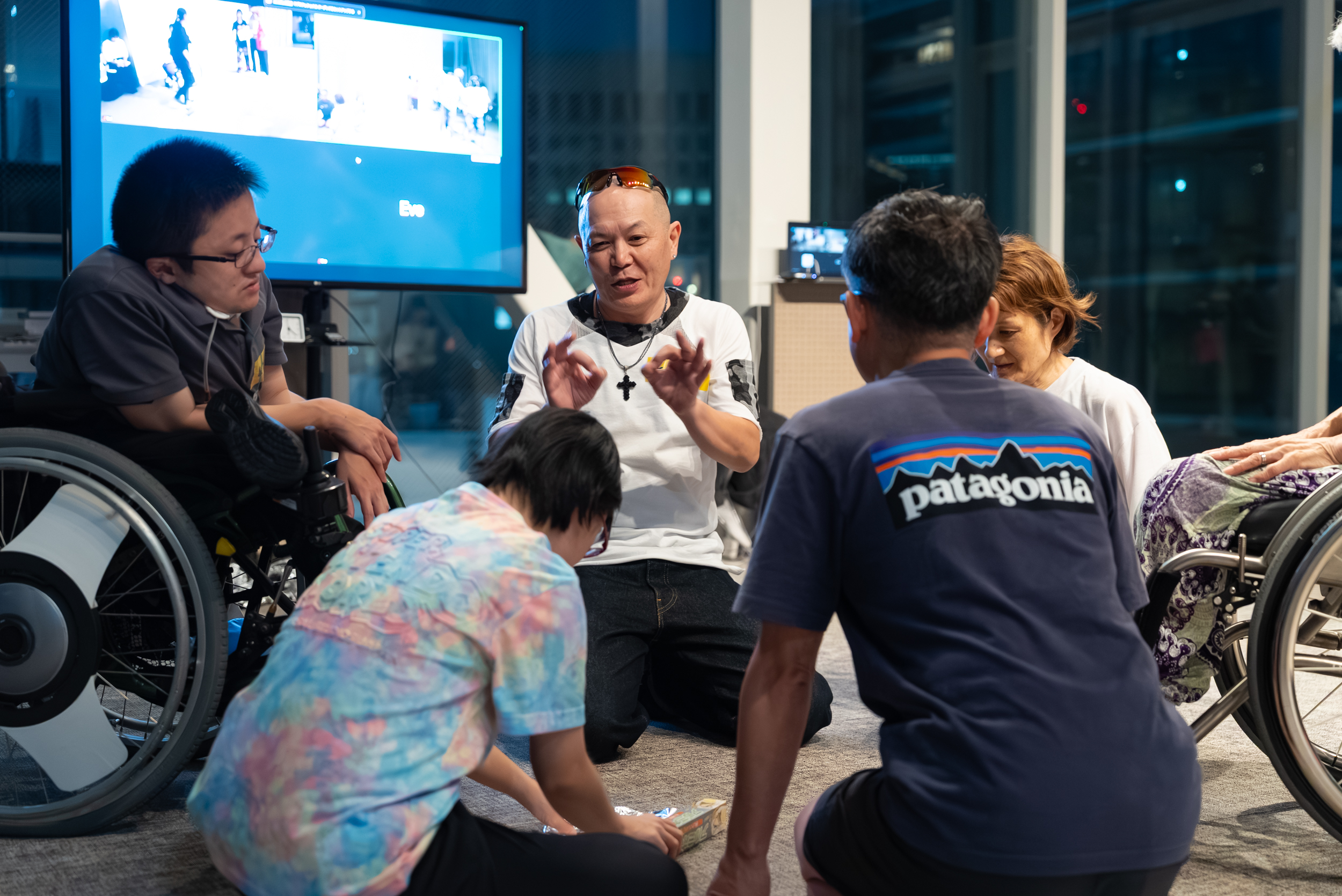
The workshops were created by facilitators trained in the DanceSyndrome program.
People with and without disabilities learned how to co-lead inclusive workshops.
■ Purpose
- Facilitators now think about how to co-lead workshops on their own.
- Dance leaders with disabilities and dance artists explore how they can support each other.
- The program supports people in Japan to become leaders in inclusive dance.
■ Feature 1: Learning through practice
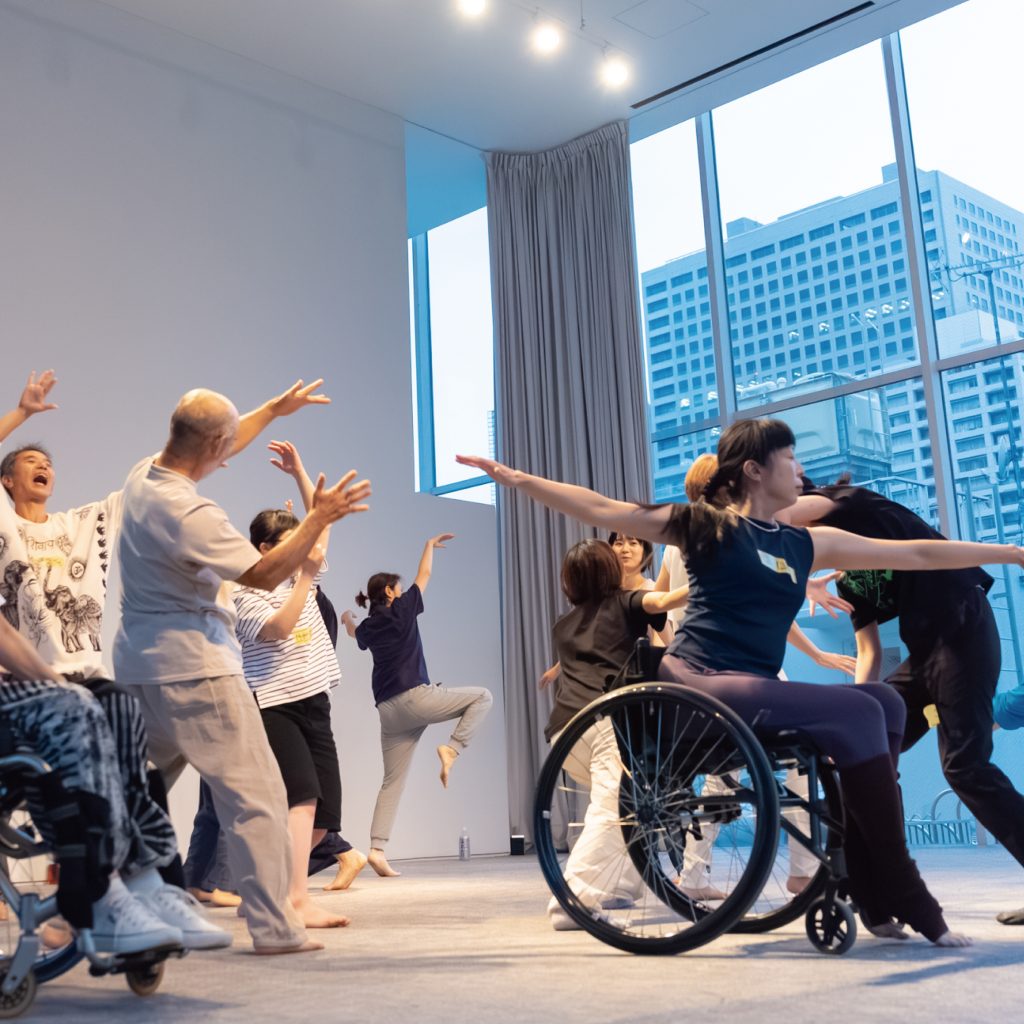
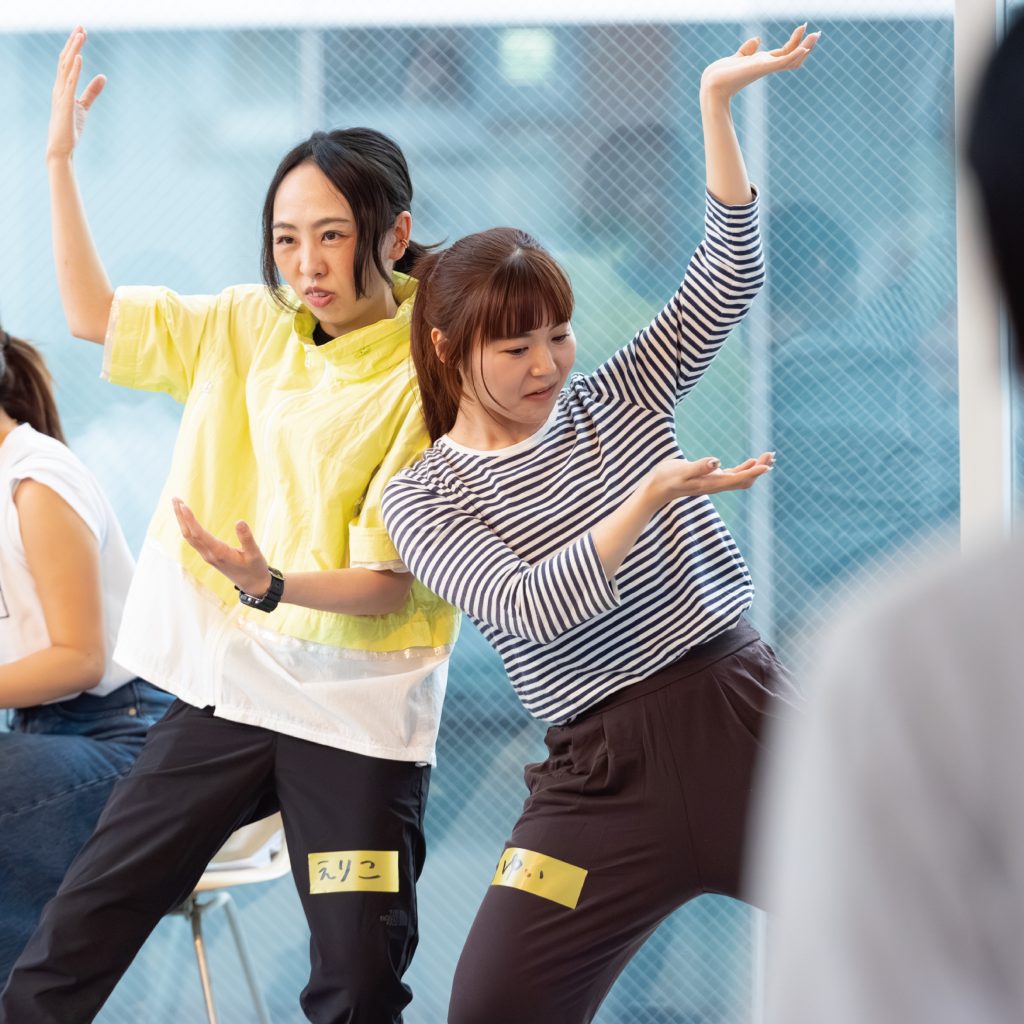
Facilitators who learned from DanceSyndrome last year led workshops themselves.
They worked in teams of three.
Each month, one team led a workshop.
They used their own ideas, and gained experience in creating workshops together.
■ Feature 2: Advice from the UK
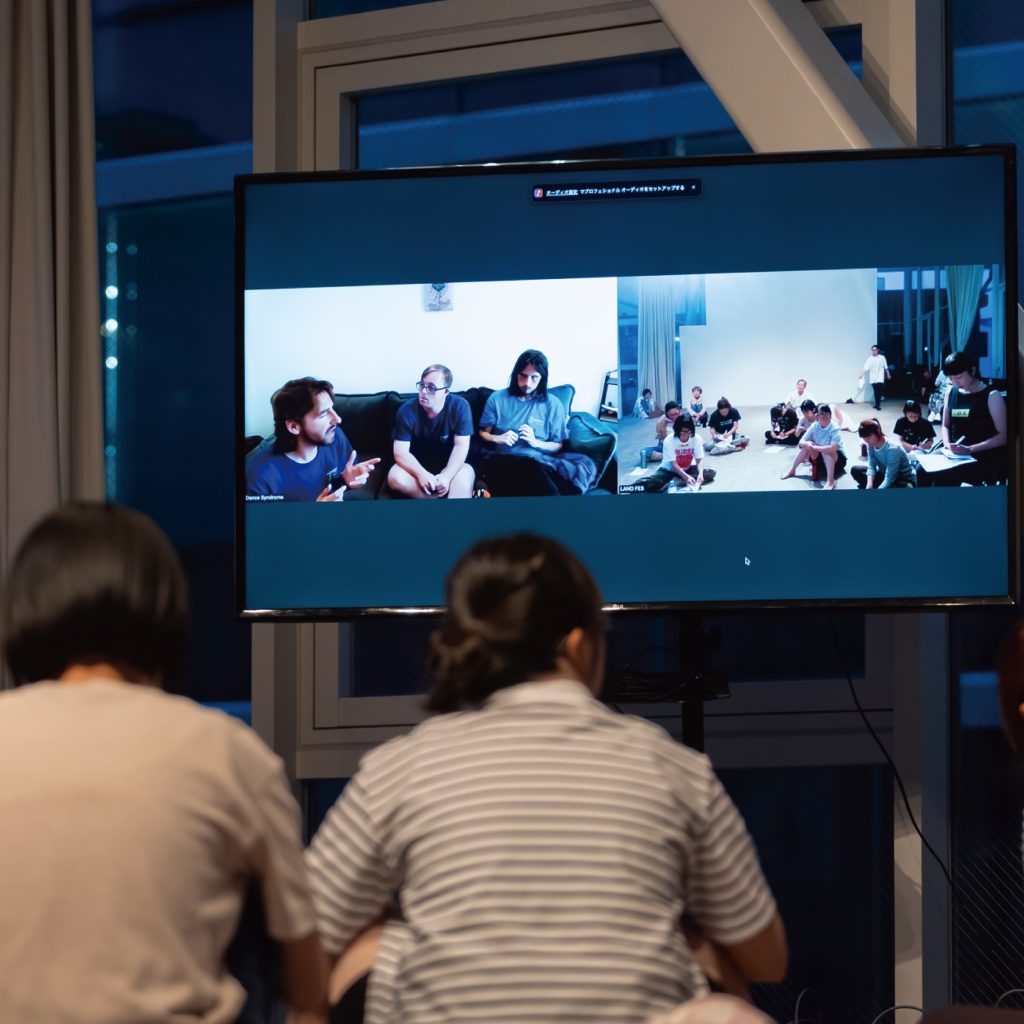
We connected online with the UK.
DanceSyndrome watched the workshops.
They shared what worked well.
They also gave advice on how to improve.
This helped facilitators feel more confident.
■ Important point 1: How to talk together
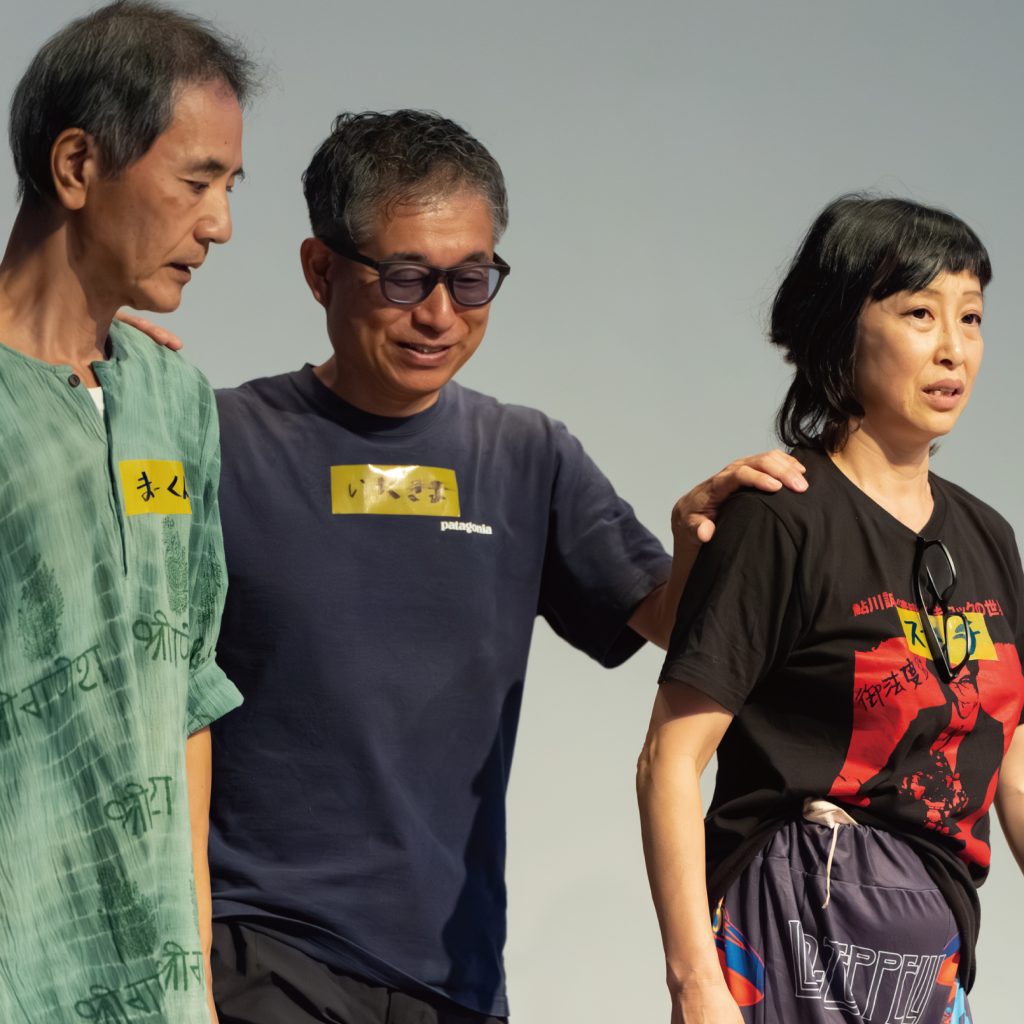
Facilitators talk together to prepare the workshop.
Sometimes this can be difficult.
Some people need less support.
Some people need more time to share their ideas.
It is important to take time.
It is important to understand and accept each other’s differences.
■ Important point 2: Space
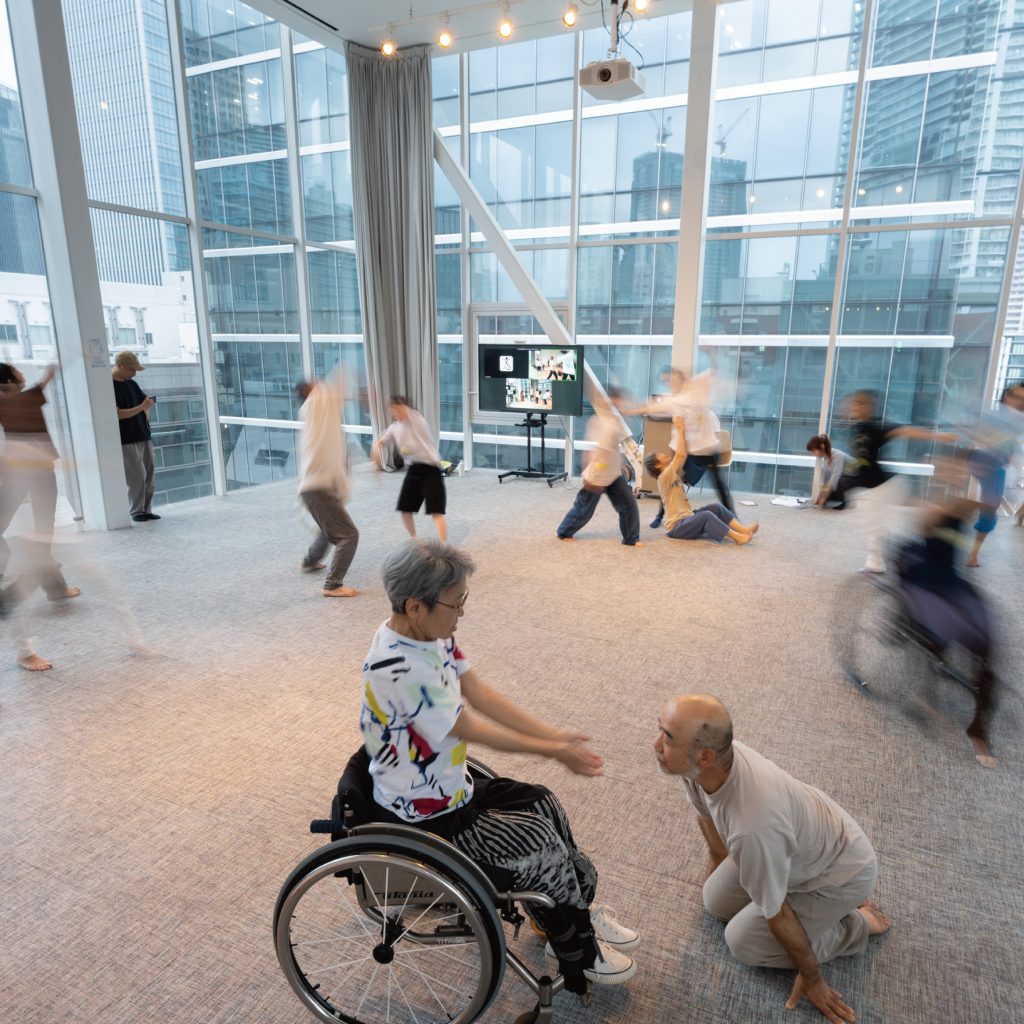
In some sessions, there was not enough space for the number of participants.
Space is especially important for people using wheelchairs.
Organizers need to check that there is enough space for everyone to move safely.
They also need to check things in advance,
such as accessible toilets and elevators.
Agency for Cultural Affairs commissioned project
“Project for the Promotion of Cultural and Artistic Activities by People with Disabilities”
Presented by: Agency for Cultural Affairs, LAND FES
Funded by: The Kissport Foundation
In cooperation with: SHIBAURA HOUSE
Photography: Masabumi Kimura

