
How to Use This Page
This page explores inclusive dance practices in the UK not through the lens of policy or ideology, but through the decisions, skills, and relationships that have been developed within artistic creation and everyday practice.
Rather than focusing on cultural policy or systems, we look at the practical knowledge accumulated on the ground.
Who is making decisions, and in what situations?
What kinds of language are being used?
How much time is taken, and how are safety and challenge balanced?
We focus on these “invisible structures” that support the quality of artistic work and activity.
“Practical Insights” brings together insights from multiple organizations, organizing key perspectives and practical approaches around a range of themes. Rather than focusing on individual cases, it highlights ideas and considerations that can support reflection and decision-making in practice.
“Organization Interviews” introduces the seven organizations we interviewed, exploring how their work has been sustained over time and the values, structures, and ways of thinking that underpin their activities.
For readers who wish to explore these questions more deeply, we have also included a column titled “The Possibilities of Translation.” Drawing on terms and concepts used in the UK context, it considers aspects of practice whose richness and complexity are not yet fully captured in Japanese.
What you will find here is not a set of conclusions or a finished model.
Rather, it is an invitation to reflect on what might be possible in your own context, and to reconsider the questions that shape your practice.


Overview of the 8 Organizations
AMICI Dance Theatre Company
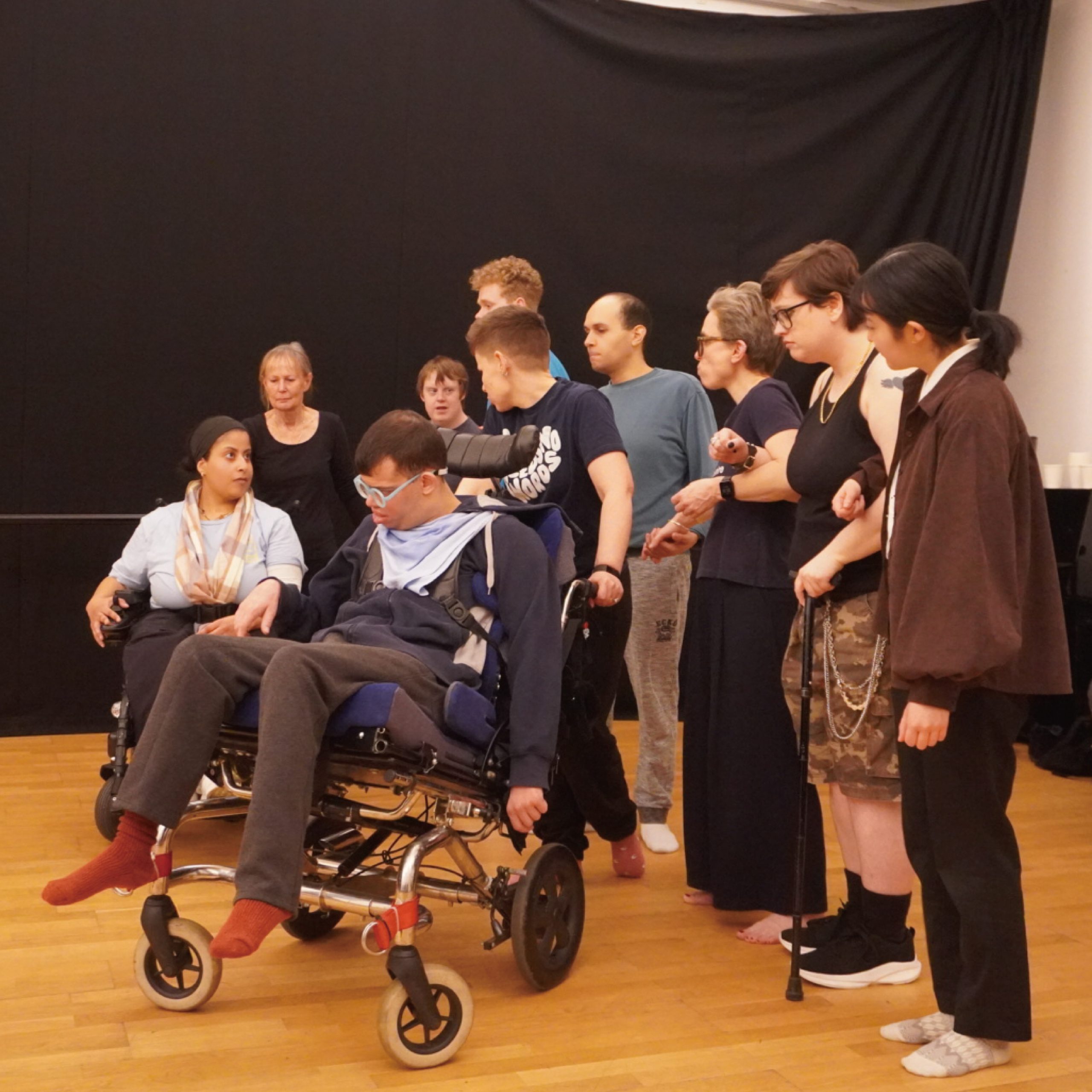
A large-scale inclusive dance theater company
This organization has long developed work based on improvisation, grounded in the principle of being together without erasing individual identities.
While valuing collective creation,
the work is ultimately shaped into clearly structured stage productions,
alongside ongoing outreach activities.
BLINK Dance Theatre
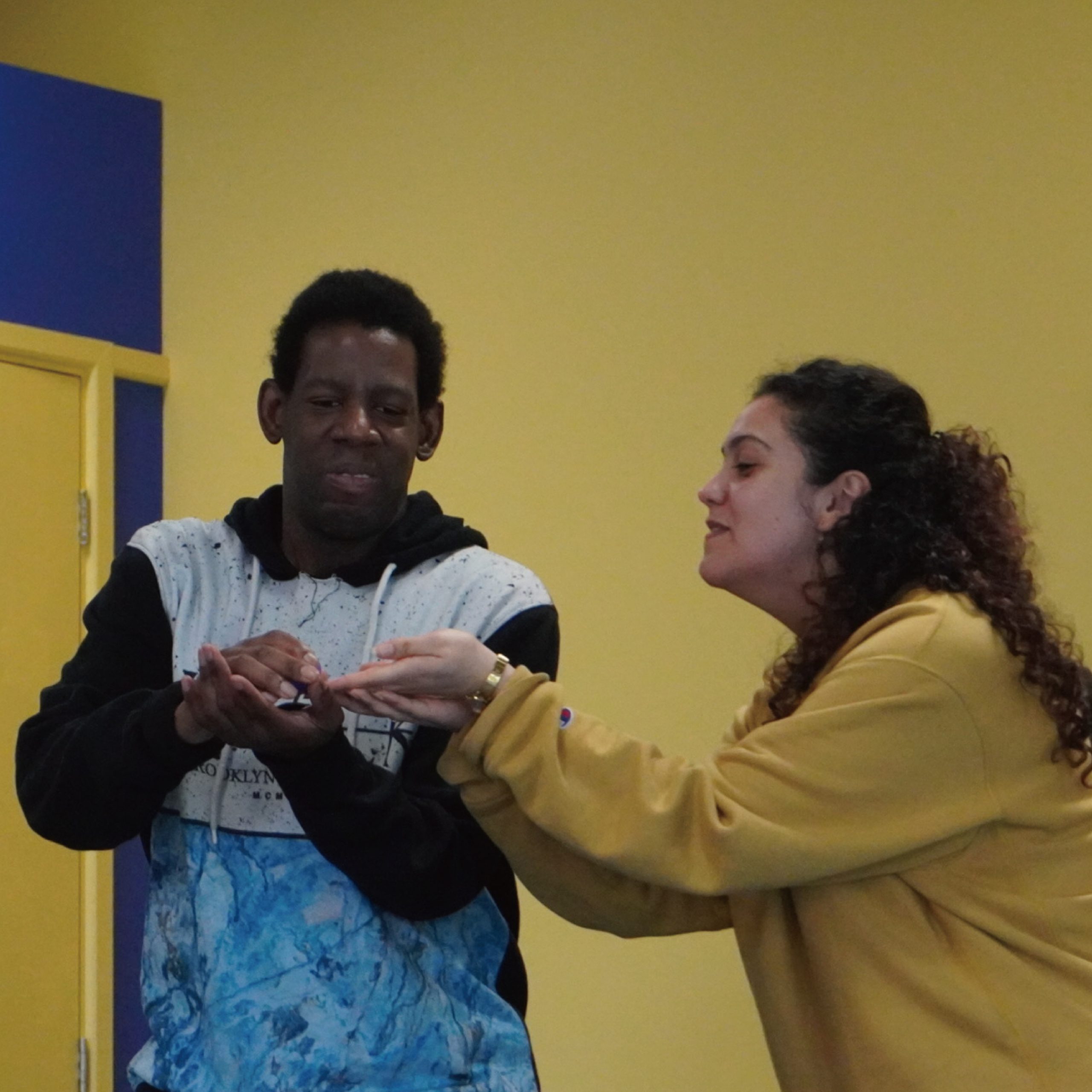
A hub that rethinks how people enter a space
Through tools such as the “I Need” board and creative check-ins,
everyone shares what they need before beginning the creative process.
Meetings, meals, everyday life, and artistic work are not separated,
but remain interconnected.
Stopgap Dance Company
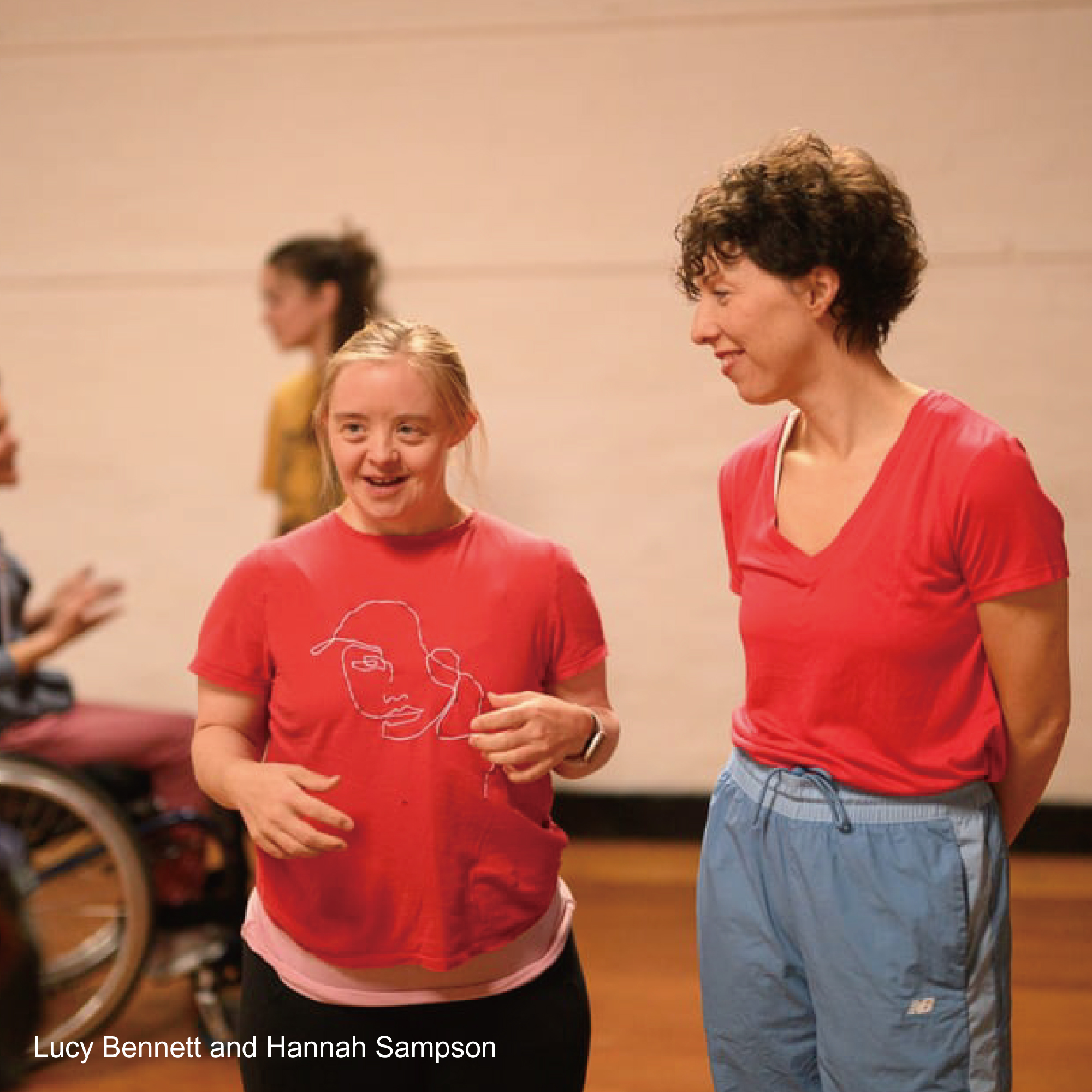
An organization with a long-term, full-time company culture
This organization employs dancers full-time and has developed a distinctive aesthetic over time,
in which dancers with different bodies “translate” movement for one another through daily practice.
Accessibility is not treated as an add-on, but is embedded within the structure of the work and the practice itself.
DanceSyndrome
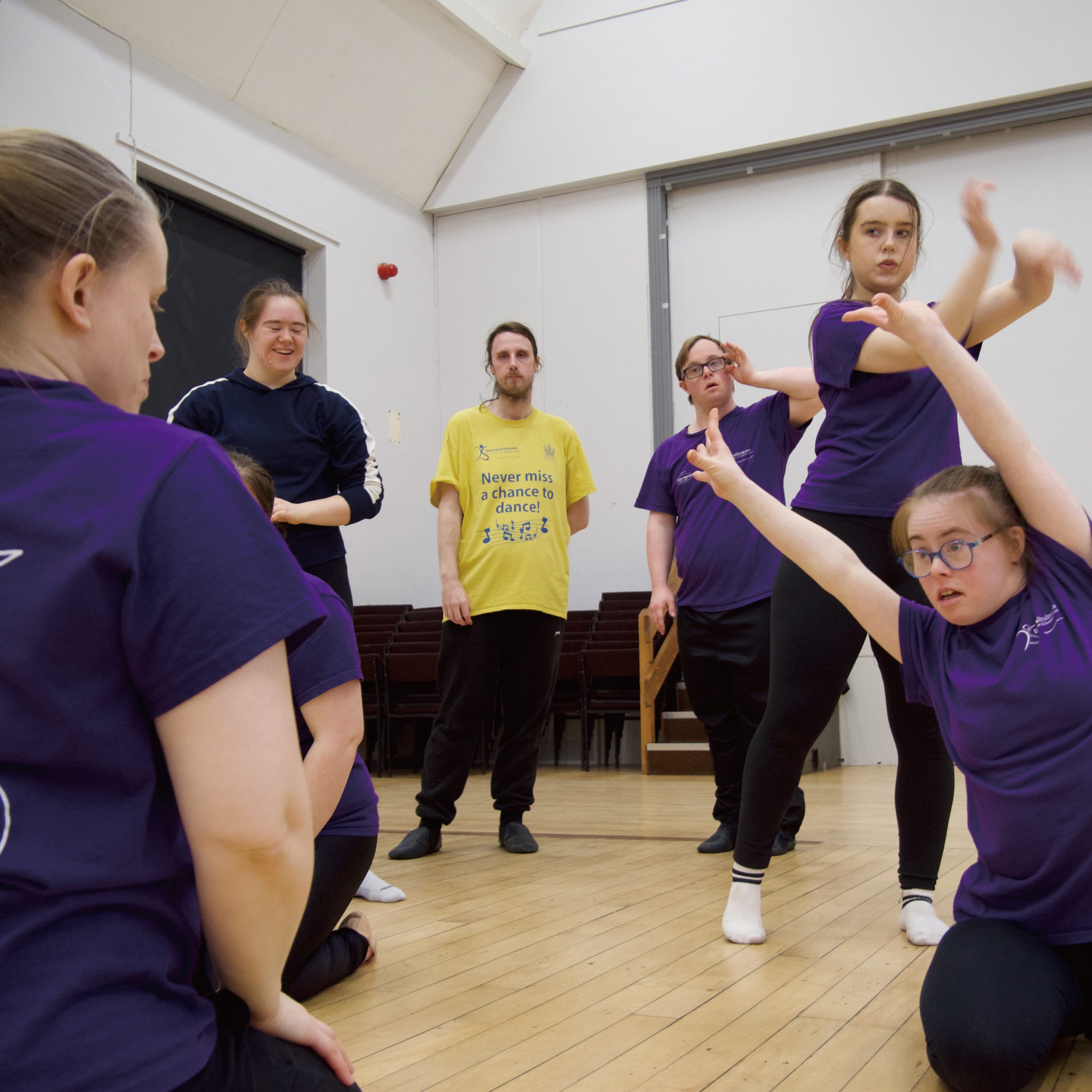
An organization that builds training and creation on a community foundation
Grounded in ongoing weekly programs, this organization runs artist development, dance leader training, and short-term projects in parallel.
A central focus is how to support each individual’s direction—
their intentions, and the paths they wish to pursue.
icandance

A community that begins with one-to-one relationships
By following each other’s movements and attuning to breath and rhythm, participants first build one-to-one relationships.
From there, these connections gradually open out into groups and a wider community.
Grounded in a sense of safety,
the work connects children, young people, and families.
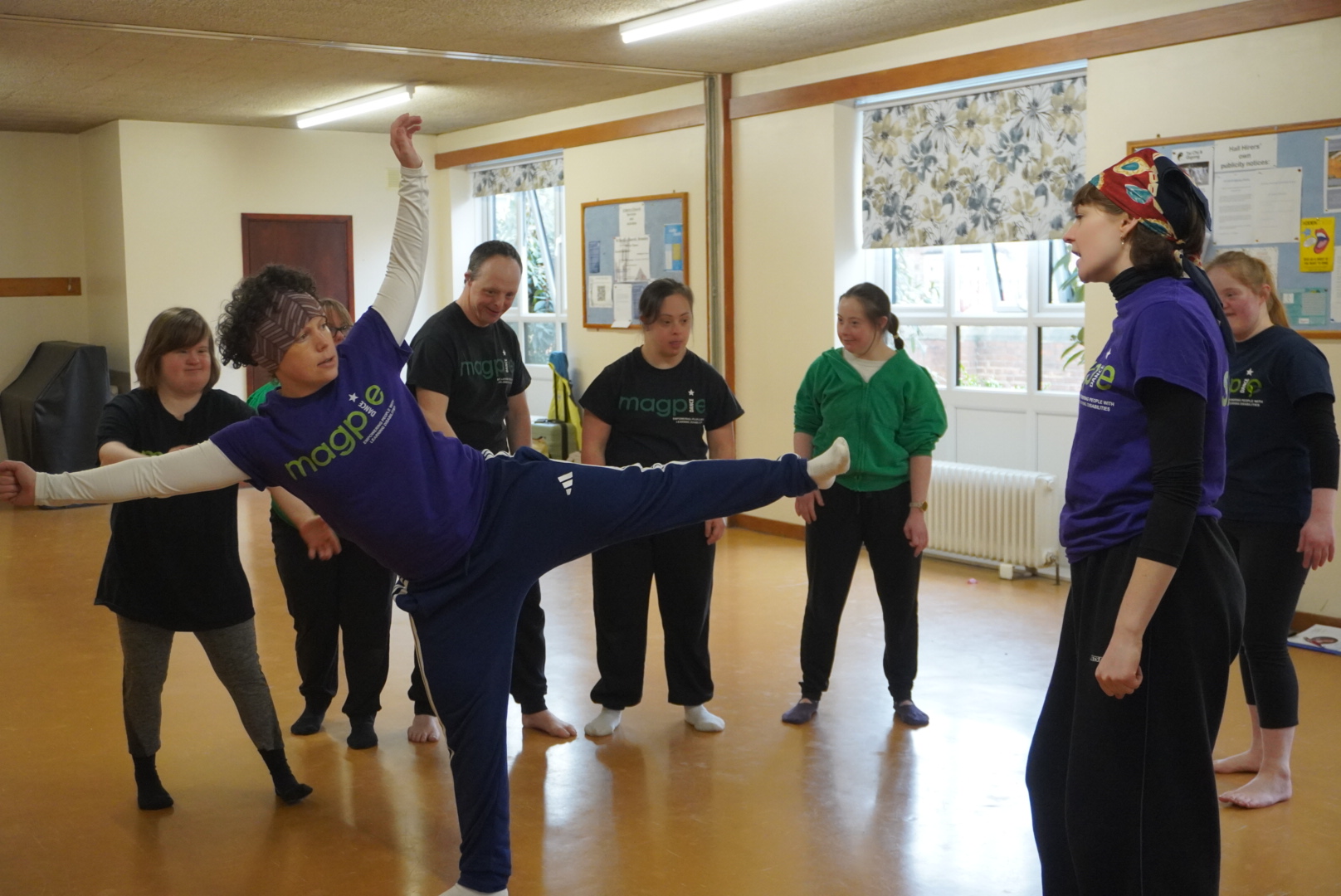
Magpie Dance
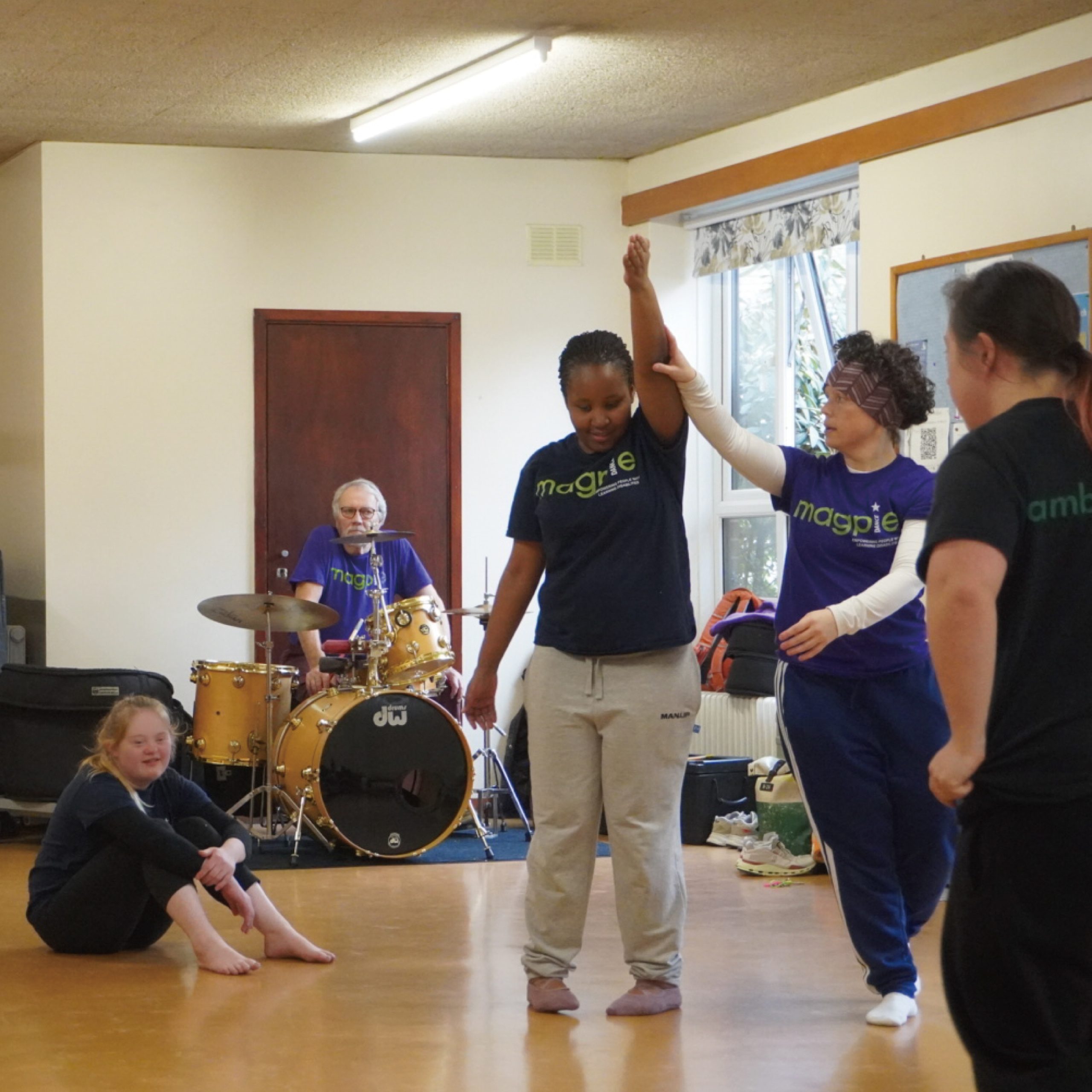
An organization that places dancers’ voices at the center of creation
Work is developed from the dancers’ own experiences and research,
bringing their voices forward into the public sphere.
Questions of safety and dignity are not treated as external concerns,
but are embedded within the creative process itself.
Candoco Dance Company
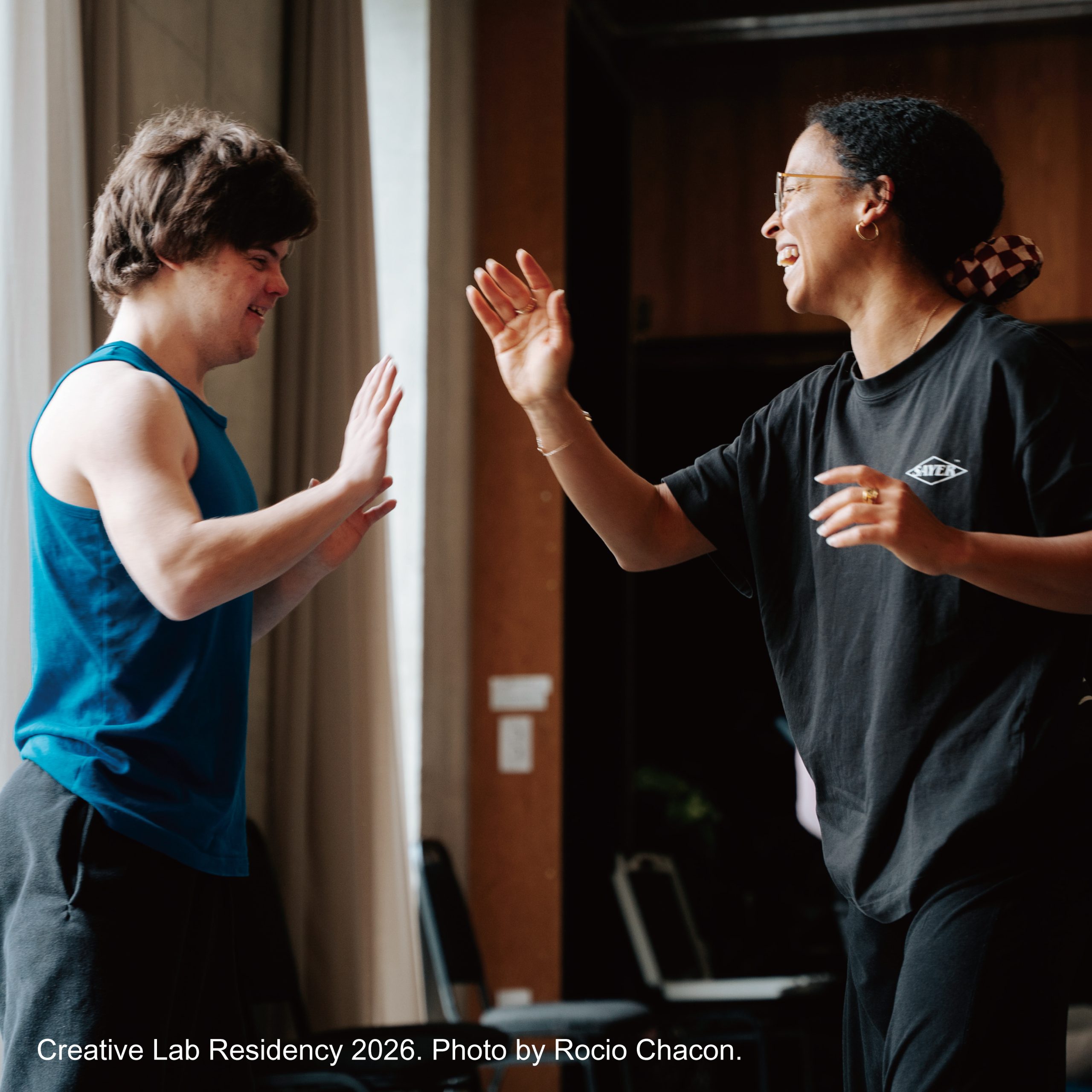
A company that is reconfiguring its own organizational structure
While maintaining the principle that difference reshapes dance aesthetics,
the company is now reexamining how to support disabled choreographers and leaders.
Not only the work itself,
but the structure of decision-making has become a central focus.
Anjali Dance Company
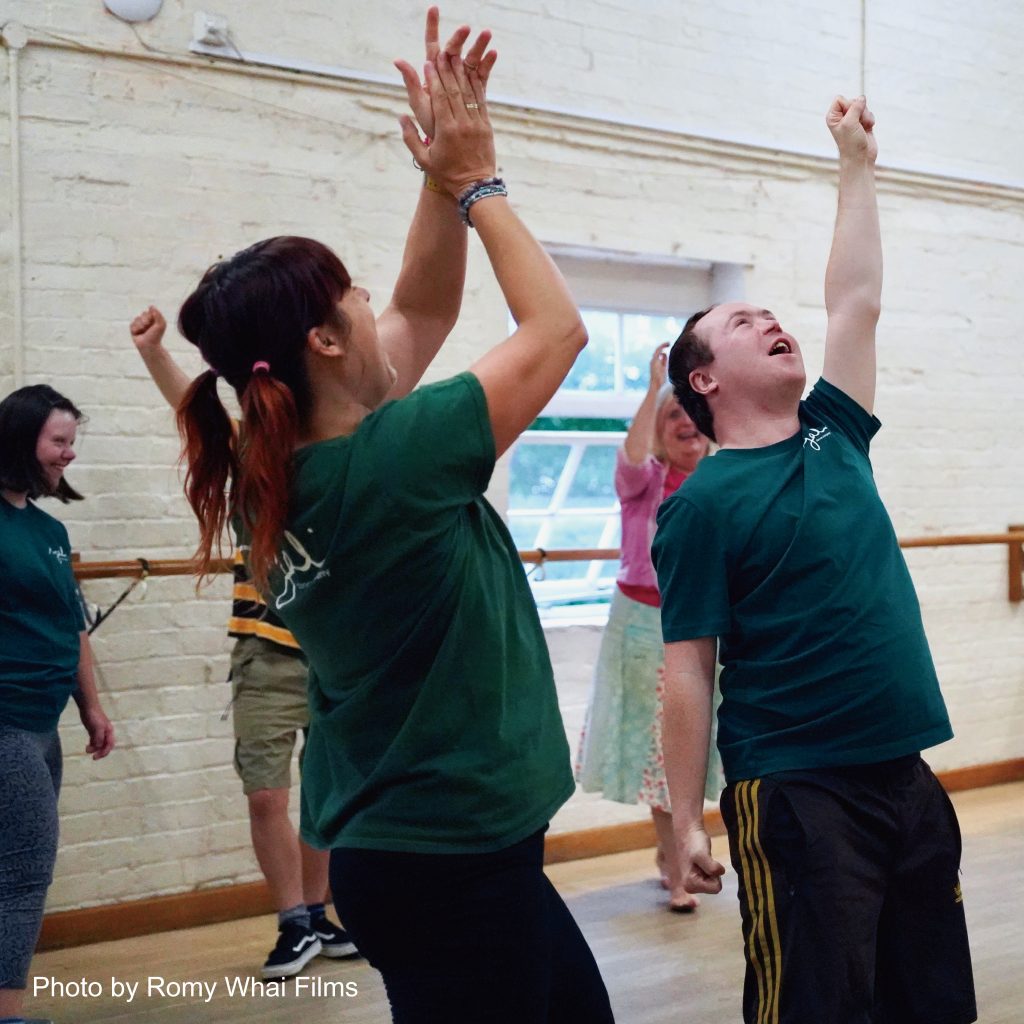
A professional company led by artists with intellectual disabilities
Positioning dancers as creative agents in their own right, the company has developed and refined their artistic expression through collaborations with invited choreographers, the creation of new works, and touring productions.
Anjali Dance Company was one of the key practices referenced throughout this research. However, as we did not conduct an individual interview with the company, it is not included in the “Organization Interviews” section.
The work of these eight organizations shows that inclusive dance is a highly diverse practice that spans multiple layers: artistic creation, space-making, education, family support, accessibility design, and organizational restructuring.
At the same time, it becomes clear that these organizations do not share a single role or position. Some are long-established companies; others function as community-based home spaces rooted in everyday practice. Some focus on sustained programs that support development and progression into new roles, while others critically reexamine decision-making structures through organizational change. Each occupies a different place within the ecosystem of inclusive dance in the UK.
For this reason, it is important not to stop at simple institutional comparison. Instead, we need to look closely at practice on the ground: who is making decisions, in what situations, what kinds of judgments they take on, and what conditions they put in place.
In the following pages, we trace the underlying structures of these decisions, moving back and forth between Practical Insights and Organization Interviews.
Credits
Research Direction, Interviews, Editing, and Writing: Yurika Kuremiya (DEZAR inc.)
Interview Coordination and Documentation: Yui Takashima (LAND FES)
On-site Interpretation: Marie Kurasawa
Accessible Text, Web Design: Dai Matsuoka (LAND FES)
Organized by: LAND FES
Funded by: Arts Council Tokyo, The Daiwa Anglo-Japanese Foundation